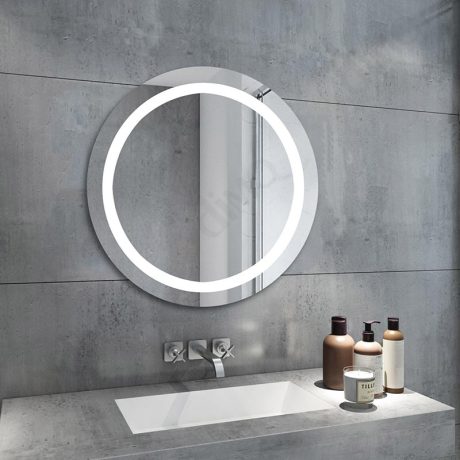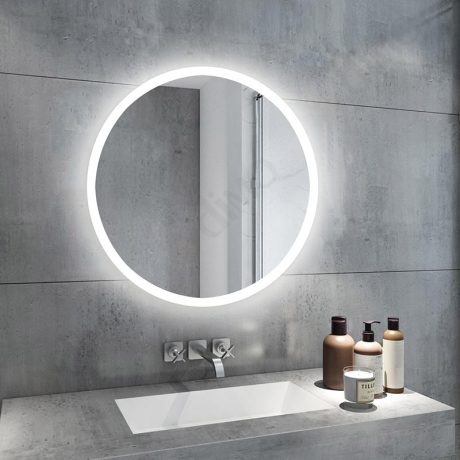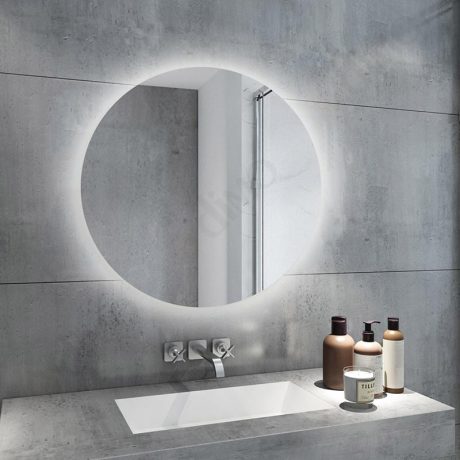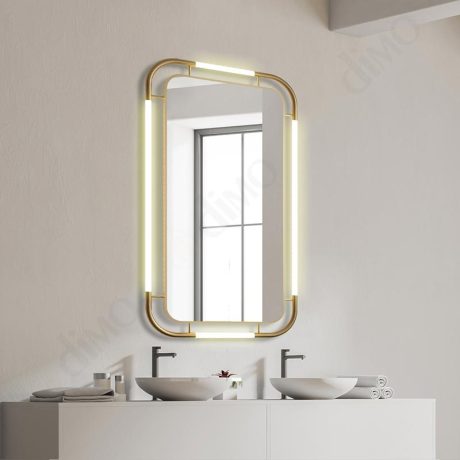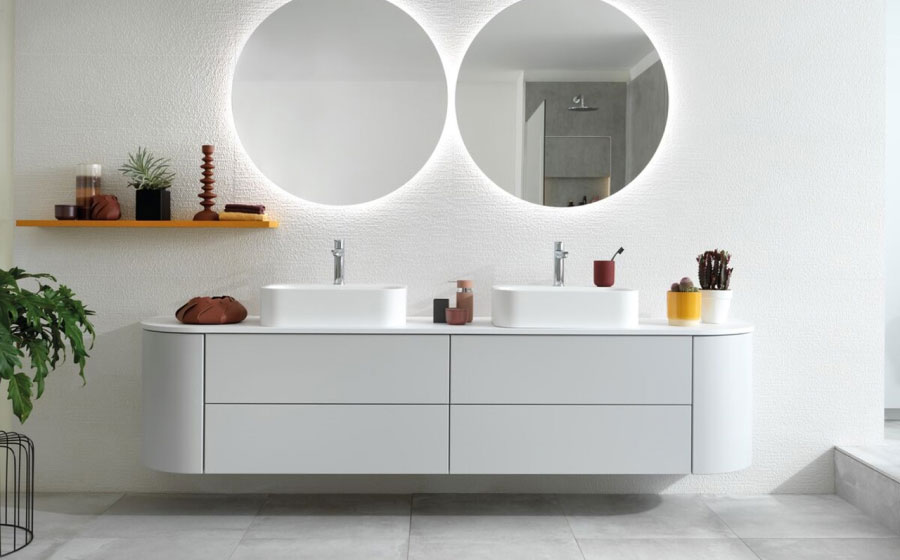
Vi è mai capitato di trovarvi in un progetto di bagno semi-finito, guardando uno splendido specchio a LED, per poi vedere il vostro elettricista scuotere la testa e dire: “Non posso installarlo, non è etichettato”?
È uno scenario da incubo che abbiamo visto riprodursi nelle ristrutturazioni di hotel e nelle costruzioni residenziali di alto livello in tutto il Nord America. Per gli acquirenti B2B - grossisti, responsabili degli appalti alberghieri e appaltatori - la scelta tra Specchi LED con certificazione UL e Specchi LED con certificazione ETL non si tratta solo di un logo. Si tratta di superare le ispezioni, assicurarsi l'assicurazione e, francamente, dormire la notte.
In questa guida, ci liberiamo del gergo. Come team che ha trascorso un decennio produzione di specchi LED di alta qualità, Vi mostreremo esattamente come orientarvi tra questi standard, in modo da non ritrovarvi mai con una spedizione di vetro “non installabile”.
Indice dei contenuti
UL vs. ETL: quale specchio da bagno a LED è più sicuro per il vostro progetto?

I rischi nascosti dell'installazione di specchi non certificati UL/ETL in ambienti umidi
- Guasto dell'isolamento: Nei “luoghi umidi”, l'umidità può colmare le lacune di circuiti mal progettati. Gli specchi certificati sono sottoposti a “Test della pioggia” e “Test della camera di umidità”.”
- La trappola dell'assicurazione: Se un incendio scoppia in un bagno e gli investigatori trovano un dispositivo elettrico non inserito nell'elenco, le compagnie assicurative hanno una carta “salvavita” per negare la richiesta di risarcimento.
- Degradazione dei componenti: Gli specchi non elencati spesso utilizzano driver economici che sfarfallano dopo 6 mesi. Un driver LED certificato è costruito per gestire i picchi di tensione comuni nelle reti commerciali.
Come verificare un numero di file UL/ETL: Una guida sul campo passo dopo passo
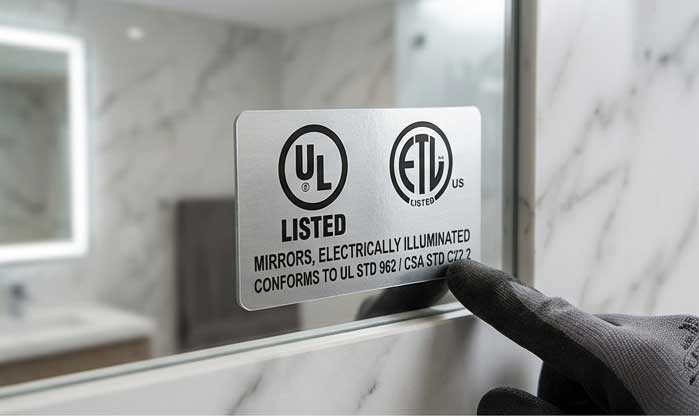
- Individuare il “Numero E” o “Numero di controllo”: Sul retro di ogni specchio legittimo è presente un adesivo argentato. Per UL, è un numero di 6-7 cifre che inizia con ‘E’. Per ETL, di solito è un numero di 7-9 cifre.
- Accedere al database: Manteniamo il Prodotto UL iQ e Intertek Directory nei preferiti dei nostri telefoni.
- Cercare il numero: Inserire il codice. Non ci limitiamo a cercare il nome dell'azienda, ma verifichiamo anche il nome della società. Codice categoria.
- Suggerimento dell'esperto: Se la categoria dice “Strisce luminose” ma si ha in mano uno “Specchio”, la certificazione non è valida per quel prodotto. Deve esserci scritto “Specchietti, illuminati elettricamente” (Categoria IFDR per UL).
- Abbinare la fabbrica: Verificate se il nome del richiedente corrisponde a quello del produttore. In caso contrario, chiediamo una lettera di “Autorizzazione al marchio” per dimostrare che la fabbrica è un OEM autorizzato.

Confronto tra gli standard: Omologazione UL vs. omologazione ETL
| Caratteristica | UL (Underwriters Laboratories) | ETL (Intertek) |
|---|---|---|
| Stato legale | NRTL riconosciuto dall'OSHA | NRTL riconosciuto dall'OSHA |
| Standard di test | UL 962 / CSA C22.2 | UL 962 / CSA C22.2 |
| Percezione del settore | “Lo standard d'oro” (massimo riconoscimento) | “La scelta efficiente” (Alto riconoscimento) |
| Costo del produttore | Più alto (processo più lento) | Più competitivi (processo più rapido) |
| Successo dell'ispezione | 100% Accettazione attraverso NA | 100% Accettazione attraverso NA |
| Il migliore per | Specifiche architettoniche di alto livello | Ospitalità generale e residenziale |
Calcolo del ROI degli specchi LED di tipo commerciale omologati UL per l'ospitalità
Se si acquista la versione più economica, la percentuale di guasti nell'arco di tre anni è in genere di 10-15% a causa del burnout del driver o della corrosione argentata dovuta a una scarsa tenuta. La sostituzione di 25 specchi, compresa la manodopera, la spedizione e i tempi di inattività della sala, costa circa $9.000.

I fattori LSI: CRI, R9 e integrazione antiappannamento
- CRI 90+: Per l'ospitalità, l'accuratezza del colore non è negoziabile.
- Valori R9: Assicuratevi che i toni “rossi” siano elevati, in modo che gli ospiti appaiano sani, non pallidi.
- Deflettori integrati: I nostri specchi antiappannamento sono testati per garantire che il cuscinetto riscaldante non comprometta l'alloggiamento elettrico con certificazione UL.
Le persone chiedono anche: FAQ
Nessuno dei due è “migliore” in termini di sicurezza. Entrambi i test sono conformi agli stessi standard. Tuttavia, ETL ha spesso tempi più rapidi per i produttori, mentre UL è più riconosciuto dagli ispettori edili di vecchia data.
Anche se non è un requisito UL, raccomandiamo sempre un circuito dedicato per le installazioni in bagno su larga scala, per evitare che si verifichi un'interruzione quando articoli ad alto assorbimento, come gli asciugacapelli, vengono utilizzati contemporaneamente al cuscinetto riscaldante dello specchio.
No. La CE è un'autodichiarazione europea ed è non riconosciuto dagli ispettori edili statunitensi o canadesi. È necessario disporre di un marchio NRTL (UL, ETL o CSA).
Controllate l'etichetta! La maggior parte degli specchi LED è “Damp Rated”, cioè può sopportare il vapore ma non gli spruzzi d'acqua diretti. Se state installando uno specchio all'interno per un box doccia, è necessario richiedere la certificazione “Wet Rated”, che è molto più rara e costosa.
Pensiero finale: Il vostro fornitore si nasconde dietro un logo?
Riferimenti e standard industriali
- Programma OSHA NRTL: Elenco attuale dei laboratori di prova riconosciuti.
- Standard UL 962: Lo standard per gli arredi domestici e commerciali.
- NFPA 70®: National Electrical Code® (NEC): Il punto di riferimento per la progettazione e l'installazione elettrica sicura negli Stati Uniti.
- Elenco Intertek (ETL): Portale di ricerca ufficiale per i prodotti certificati ETL.
Frank Chan è Senior Product Consultant e Sales Manager di Dimo, con oltre 10 anni di esperienza nell'illuminazione a LED di fascia alta. Ha supervisionato la conformità e l'installazione di oltre 200 progetti in tutto il Nord America. Frank si dedica ad aiutare gli acquirenti B2B a districarsi tra i complessi codici elettrici per garantire il successo a lungo termine dei progetti.