The bathroom mirror is often an afterthought in interior design, yet it is arguably the most frequently used fixture in the home. It is where we start and end our days. However, selecting the correct mirror goes beyond simple reflection; it involves understanding lighting dynamics, spatial constraints, and moisture resistance. As professionals in the manufacturing sector, we often field questions about functionality versus aesthetics. Homeowners and contractors alike frequently ask: which type of mirror is good for a bathroom renovation to maximize value and utility?
At Dimo Home Products., Ltd, we have been a professional bathroom mirror manufacturer and wholesale supplier since 2009. With over a decade of deep experience in the mirror industry, we have helped countless hotel clients and residential developers save time and money by selecting the right products. We understand that the bathroom environment is harsh—high humidity and fluctuating temperatures can degrade inferior silvering quickly. Therefore, the selection process must be technical as well as stylistic.
In this comprehensive guide, we will analyze the 5 best types of mirrors for bathroom environments, evaluating them based on durability, technology, and design suitability.
- 1. LED Illuminated Mirrors: The Modern Standard
- 2. Mirror Cabinets: The Storage Solution
- 3. Smart Mirrors: The Tech-Forward Choice
- 4. Magnifying Makeup Mirrors: Precision Grooming
- 5. Full Length and Frameless Mirrors: Spatial Enhancement
- 6. Buying Guide: Technical Factors to Consider
- 7. Summary Comparison Table
- 8. Frequently Asked Questions
- 9. References
1. LED Illuminated Mirrors: The Modern Standard
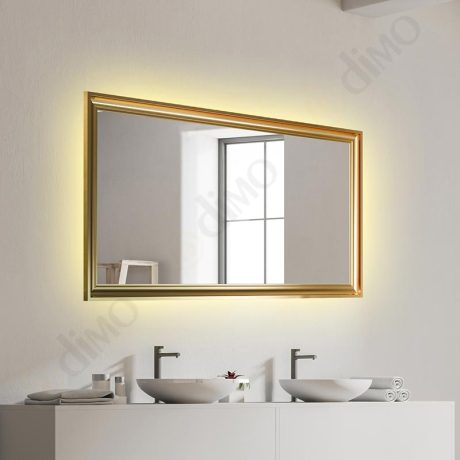
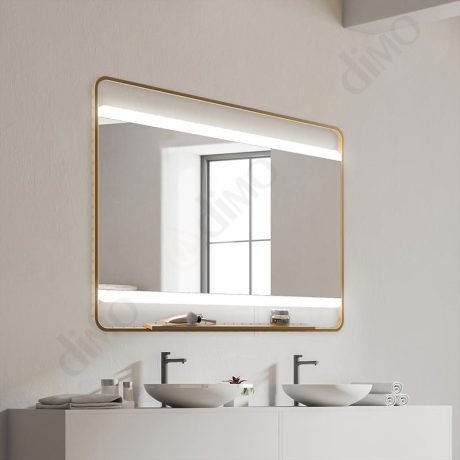
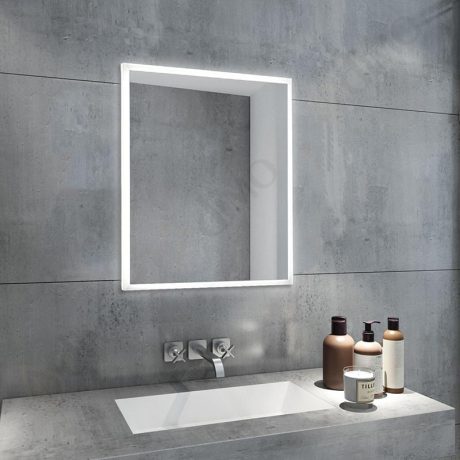
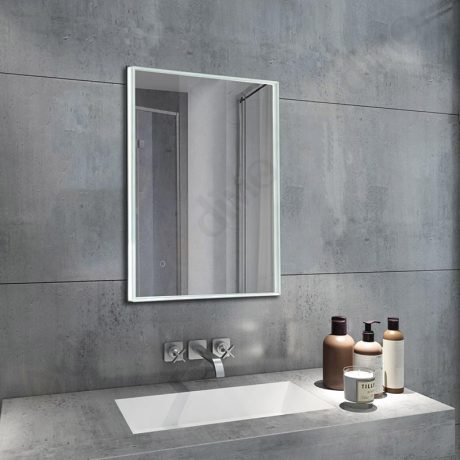
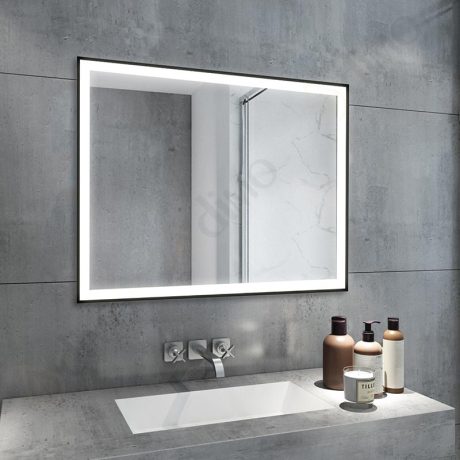
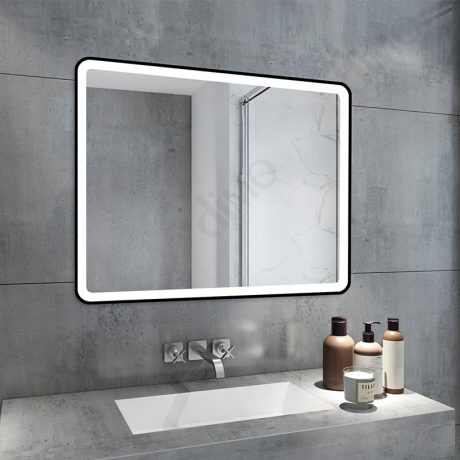
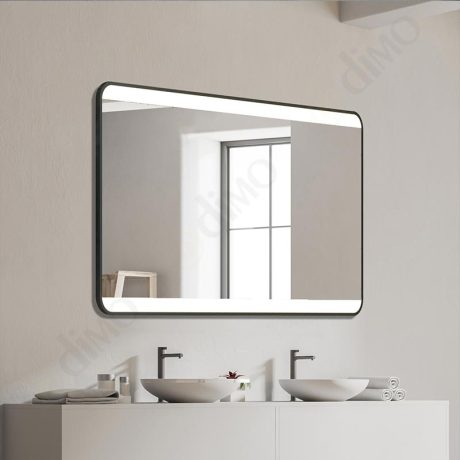
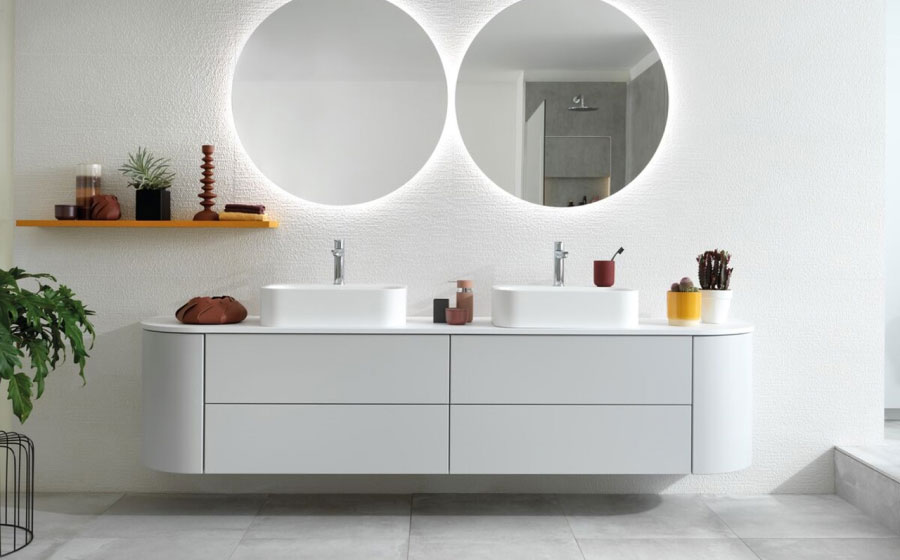
When clients ask what type of mirror is good for a bathroom with limited natural light, our first recommendation is invariably the Bathroom LED Mirror. In modern hospitality and residential design, this has become the gold standard. Unlike traditional vanity lighting, which is often placed above the mirror casting harsh shadows on the face, an LED mirror provides frontal, even illumination.
Why We Recommend It
From our experience manufacturing these units, the integration of light into the mirror glass eliminates the need for separate sconces, creating a cleaner, minimalist aesthetic. But the benefits are functional:
- Shadow-Free Reflection: The light source surrounds the perimeter or is inset, ensuring that for shaving or makeup application, the face is evenly lit.
- Defogging Technology: Most of our LED mirrors come with integrated demister pads. These heat the glass slightly to prevent condensation buildup after a hot shower.
- Energy Efficiency: LEDs consume a fraction of the power of traditional incandescent bulbs and have a lifespan of over 50,000 hours.
If you are looking for a primary mirror that serves as both a task light and a reflective surface, the LED mirror is the superior choice.
2. Mirror Cabinets: The Storage Solution
For compact urban bathrooms or en-suites where square footage is at a premium, the Mirror Cabinet remains the most practical solution. However, modern mirror cabinets have evolved significantly from the bulky, plastic boxes of the past.
Functionality Meets Design
A mirror cabinet solves the clutter problem. By recessing the cabinet into the wall or mounting it effectively, you gain vertical storage for toiletries that would otherwise crowd the vanity. We recommend cabinets with mirrored interiors (on the back of the door and the inside rear panel) so that you can use the mirror even when the cabinet is open.
When determining if this type of mirror is good for a bathroom, consider the depth. A unit that protrudes too far can make a small sink feel claustrophobic. High-end units now incorporate LED lighting and internal shaver sockets, blending the utility of storage with the technology of illuminated mirrors.
3. Smart Mirrors: The Tech-Forward Choice
The bathroom is evolving into a connected space. The Smart Mirror represents the cutting edge of this transition. For the tech-savvy homeowner, a standard reflective surface is no longer enough. Smart mirrors function as an interactive hub.
Features and Integration
These units often run on Android operating systems and feature touch-screen capabilities hidden behind the glass. Common features include:
- Information Display: Check the weather, news, or your calendar while brushing your teeth.
- Bluetooth Connectivity: Connect your phone to play music through integrated waterproof speakers.
- Voice Control: Integration with smart home assistants to adjust lighting or other bathroom fixtures.
From our manufacturing perspective at Dimo Home Products, the waterproofing of the internal electronics (IP rating) is critical here. We ensure that our smart mirrors meet rigorous safety standards for damp environments. If you want a bathroom that feels like a luxury spa or a futuristic hub, this is the mirror for you.
4. Magnifying Makeup Mirrors: Precision Grooming
While a main mirror is essential, it is often insufficient for detailed tasks. The Makeup Mirror (often wall-mounted on an articulating arm) is a specialized tool that complements the primary mirror. This type of mirror is good for a bathroom shared by couples, as it allows one person to perform detailed grooming without hogging the main vanity.
Magnification and Flexibility
These mirrors typically offer 3x, 5x, or even 10x magnification. We recommend a wall-mounted model with an extending arm to save counter space. Many of our models also include a halo of LED light. This is crucial because magnification requires more light to maintain image clarity. The ability to pull the mirror close to the face prevents the awkward leaning over the sink that causes back strain.
5. Full Length and Frameless Mirrors: Spatial Enhancement
In smaller bathrooms or luxury master baths, a Full Length Mirror is a strategic design element. It is not just for checking your outfit; it is an architectural tool used to manipulate the perception of space.
Creating the Illusion of Space
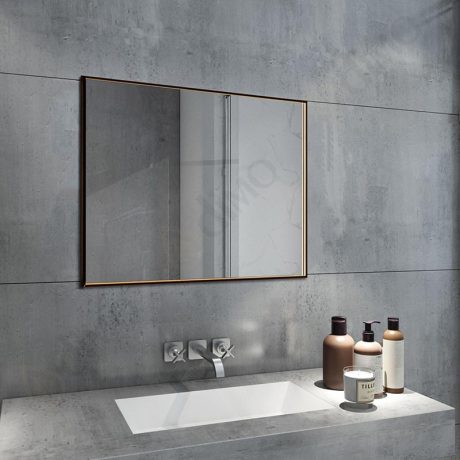
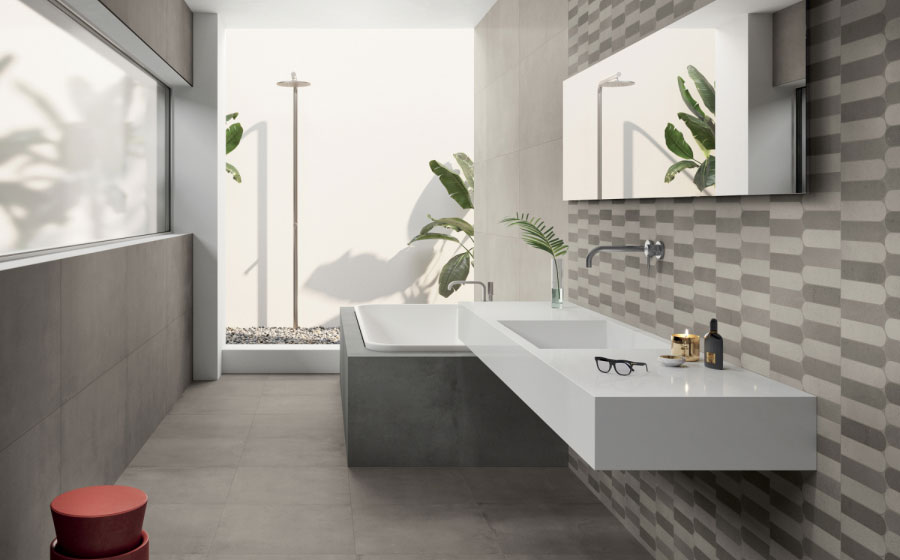
A large, frameless mirror reflects the room back on itself, effectively doubling the visual depth. This is particularly effective in narrow bathrooms. We recommend frameless designs for a sleek, hygienic finish. Frames can trap moisture and dust, leading to degradation over time. A frameless edge, often polished or beveled, is easier to clean and resists the humidity of the bathroom environment better than wood or metal frames.
6. Buying Guide: Technical Factors to Consider
Deciding which type of mirror is good for a bathroom requires analyzing the technical specifications. At Dimo, we advise our clients to look at three key metrics:
1. IP Rating (Ingress Protection)
This is non-negotiable for electrical mirrors.
Zone 1 (Above Shower/Bath): Requires IP65.
Zone 2 (Radius of sink/water): Requires IP44.
Never install a standard living room mirror with non-waterproof lights in a bathroom. It is a severe safety hazard.
2. Glass Quality (Copper-Free)
Standard mirrors use copper in the silvering process. Over time, humidity causes oxidation, leading to “black edge” corrosion. We recommend and manufacture Copper-Free Mirrors. These are highly resistant to humidity and corrosion, ensuring the mirror stays pristine for years rather than months.
3. Color Temperature (Kelvin)
For LED mirrors, check the Kelvin (K) rating.
3000K (Warm White): Relaxing, ambient light. Good for baths.
6000K (Cool White): Daylight simulation. Best for applying makeup and shaving accurately.
7. Summary Comparison Table
To help you decide which type of mirror is good for a bathroom project you are undertaking, we have summarized the pros and cons below.
| Mirror Type | Primary Benefit | Best Use Case | Installation Complexity |
|---|---|---|---|
| LED Mirror | Shadow-free lighting & defogging | Main Vanity | Medium (Requires electrical) |
| Mirror Cabinet | Storage & Organization | Small Bathrooms / En-suites | High (Recessed) or Medium (Surface) |
| Smart Mirror | Connectivity & Info | Luxury / Tech Homes | Medium (Requires electrical & WiFi) |
| Makeup Mirror | Magnification | Detailed Grooming | Low |
| Full Length | Visual Space & Check | Large Walls / Door Backs | Low |
8. Frequently Asked Questions
What is the best mirror for a small bathroom?
For small spaces, a Mirror Cabinet is the best choice because it combines two functions (mirror and storage) into one footprint. Alternatively, a large frameless mirror can make the small room look significantly bigger.
Are LED mirrors bright enough to be the only light?
High-quality LED mirrors from Dimo are designed to provide sufficient task lighting for the vanity area. However, for the general ambiance of the entire room (like the shower area), we recommend combining them with ceiling downlights.
Why do bathroom mirrors turn black on the edges?
This is called “desilvering,” caused by oxidation from moisture attacking the copper layer in older or cheaper mirrors. To avoid this, always choose “Copper-Free” mirrors, which are the industry standard for durability in humid environments.
Can I install a regular mirror in a bathroom?
Technically yes, but we advise against it. Regular mirrors often lack the specialized backing sealant required to resist humidity. They will degrade much faster than a purpose-built bathroom mirror.
9. References
- International Electrotechnical Commission (IEC). “IP Ratings and Bathroom Safety Zones.”
- Glass Association of North America. “Mirrors: Handle and Install Manual.”