Inhaltsübersicht
Industrienormen und Sicherheit: Die entscheidenden Eintrittsbarrieren
Zertifizierung der elektrischen Sicherheit
Wasserdichte Bewertung
Glas-Normen
Letztes Jahr haben wir eine Boutique-Hotelkette in Kalifornien beliefert. Die Charge des vorherigen Lieferanten fiel bei einer elektrischen Prüfung vor Ort durch, weil das ETL-Zertifikat abgelaufen war. Wir sprangen mit einer vollständigen, aktuellen UL/ETL-Dokumentation und IP44-zertifizierten Geräten ein. Das Projekt wurde pünktlich abgeschlossen, und das Hotel konnte Tausende von Kosten für Nacharbeiten vermeiden. Kleine Details wie diese entscheiden über große Geschäftsabschlüsse.

Marktpräferenzen und Produktspezifikationen: Von Beleuchtung bis Wellness-Hubs
Kernspezifikationen Käufernachfrage im Jahr 2026
- Farbtemperaturregelung von 3000K warmes Licht bis 4000K-6500K natürliches oder Tageslichtweiß, mit Speicherfunktionen.
- Hoher Farbwiedergabeindex (CRI 90+ oder höher), damit Hauttöne und Make-up natürlich aussehen.
- Intelligente Funktionen wie Anti-Beschlag-Heizung, Touch-Dimming, Bluetooth-Lautsprecher und sogar einfache Anzeigen für Zeit oder Wetter.
Ein Händler, mit dem wir zusammenarbeiten, teilte uns mit, dass seine Kunden die Basismodelle immer wieder zurückgaben, weil sich in dampfenden Duschen zu schnell Nebel bildete. Nach der Umstellung auf unsere Entnebelungspads mit konstanter Temperatur und intelligenten Sensoren sank die Rückgabequote drastisch. Die tatsächliche Leistung in realen Bädern ist immer besser als die Angaben auf dem Papier.
Preisstruktur und Schmerzpunkte der Verbraucher
- Die Preissensibilität ist zwar vorhanden, aber der Wert überwiegt für viele Käufer inzwischen den niedrigsten Aufkleberpreis.Intelligente Standard-LED-Badezimmerspiegel kosten in der Regel zwischen $120-$250. Premium-Modelle mit fortschrittlichen KI-Funktionen oder umfangreichen Anpassungen übertreffen leicht $400.
Preise für LED-Badezimmerspiegel in den USA nach Vertriebskanal (24″×36″ / 30″×40″, Hauptmerkmale: 3-Farben-Temp + Anti-Beschlag + Touch Control)
| Vertriebskanal | Repräsentative Plattformen/Marken | Preisspanne (USD) | Zielkunden | Zentrale Stärken | Schwachstellen und Herausforderungen |
|---|---|---|---|---|---|
| Online-E-Commerce | Amazon, Wayfair, eBay | $120 - $280 | Wohnraumsanierer, Heimwerker | Sehr kostengünstig, transparente Bewertungen, Lieferung nach Hause, schnelle Designaktualisierung | Hohe Transportschäden, Selbstinstallation, uneinheitliche Qualität |
| Heimwerkermärkte | Home Depot, Lowe's, Menards | $180 - $450 | Allgemeine Haushalte, Bauunternehmen | Vertrauen, Rückgabe im Geschäft, Unterstützung der Marke (z. B. Glacier Bay) | Höherer Preisaufschlag, konservative Stile, begrenzte Auswahl in den Geschäften |
| Warehouse Clubs | Costco, Sam's Club | $140 - $220 | Loyale Haushalte der Mittelschicht | Fokus auf Bestseller, wettbewerbsfähige Preise, starker Kundendienst | Sehr begrenzte Anzahl von Modellen (1-2 Modelle), saisonaler Bestand |
| High-End-Bad-Showrooms | Ferguson, Kohler Ausstellungsräume | $600 - $1.500+ | Luxuriöse Eigenheime, Designer | Erstklassiges Design, hochwertiges Glas (anlaufgeschützt), professionelle Installation | Teuer, lange Vorlaufzeiten (oft Vorbestellung) |
| Off-Price-Läden | TJ Maxx, HomeGoods | $80 - $150 | Budgetbewusste Einkäufer | Niedrige Preise, gelegentlich einzigartige Funde | Unbeständige Qualität, keine Garantie, wenig intelligente Funktionen |
Vertiefung: Preisunterschiede im Kanal
Die wichtigsten Schmerzpunkte der Verbraucher
- Versandschäden - der #1 Grund für Rücksendungen bei großen, zerbrechlichen Artikeln.
- Schlechte Glasqualität - Kantenschwärzung oder Verzerrungen treten bei billigeren Modellen schnell auf.
- Komplizierte Kabelinstallation - viele Heimwerker geben auf und rufen teure Fachleute.
Wir haben einmal einem New Yorker Wohnhaus geholfen, das Spiegel online bestellt hatte. Innerhalb von zwei Monaten begannen die Ränder zu verdunkeln und einige Geräte beschlugen stark. Nach der Umstellung auf unsere Charge mit besserer Kantenversiegelung und nachgerüsteten Entfeuchtern hörten die Beschwerden auf. Der Hausverwalter sagte, die zusätzliche Aufmerksamkeit für Details habe ihn vor einer weiteren Runde von Austauschaktionen bewahrt.

Beschaffungsstrategie: Lokal vs. Importiert
| Beschaffungsart | Die wichtigsten Vorteile | Primärregionen | Ideale Anwendungsfälle |
|---|---|---|---|
| Lokale U.S. Beschaffung | Schnelle Lieferzeiten (1-2 Wochen), volle Garantie, strenge Einhaltung der Vorschriften | U.S. Hersteller (Electric Mirror, Kohler) | Luxushotels, individuelle Häuser, Regierungsprojekte |
| Importierte Beschaffung | Extrem niedrige Kosten, starke OEM/ODM, umfangreiche Designoptionen | China(DIMO), Thailand, Vietnam | E-Commerce-Verkäufer, Wohnungsbaugesellschaften, Großhändler |
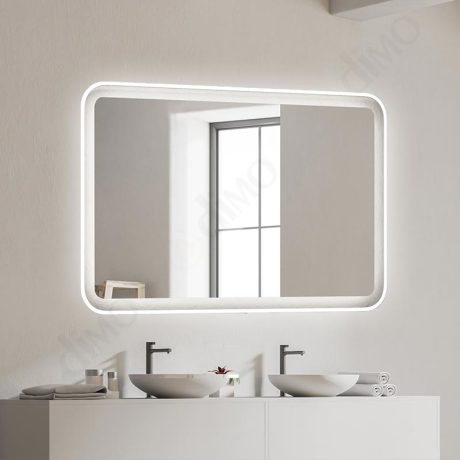
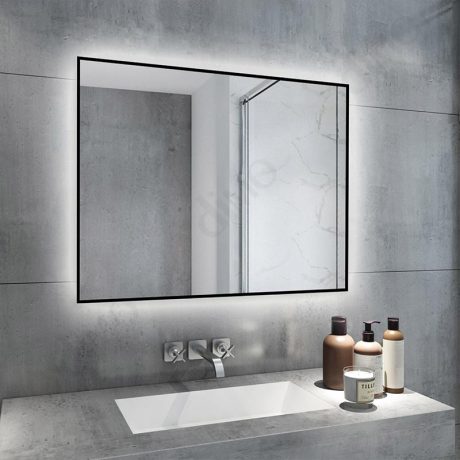
Ein Händler aus Chicago fragte letzten Monat nach rahmenlosen Spiegeln im Format 60×36 Zoll mit Vorder- und Hintergrundbeleuchtung, intelligentem Anti-Beschlag-System und Touch-Memory-Farbtemperatur an. Zunächst wandelte ich die CAD-Zeichnung noch am selben Tag in ein 3D-Rendering um und schickte es zur Bestätigung. Zweitens haben wir innerhalb von drei Wochen ein 1:1-Muster hergestellt und per Luftfracht verschickt, damit sie es in einem Musterbad installieren und 72 Stunden lang testen konnten. Drittens führten wir vor der vollständigen Produktion eine ETL-Probeentnahme durch Dritte durch. Schließlich verpackten wir alles mit extra dickem Schaumstoff, Holzkisten und ISTA-geprüftem Schutz und lieferten es direkt an das US-Lager. Der Kunde benötigte während des gesamten Prozesses nur drei WeChat-Nachrichten - und das bei einem Auftragswert von über $45.000. Im Vergleich zu seinem vorherigen inländischen Lieferanten sparte er 28% und erhielt eine schnellere Lieferung.
Zukünftige Branchentrends
Besuchen Sie unser LED-Badezimmerspiegel-Kollektion oder setzen Sie sich direkt mit uns in Verbindung, um individuelle Spezifikationen und aktuelle Mengenpreise zu erhalten. Lassen Sie uns sicherstellen, dass Ihre nächste Charge in realen Badezimmern genauso gut funktioniert, wie sie auf dem Papier aussieht.
Referenzen
UL-Normen für die elektrische Sicherheit von Beleuchtungsprodukten im Badezimmer
https://standard.ul.com/safety/lighting-safety/led-luminaires/
ETL-Zertifizierungsanforderungen für Elektrohaushaltsgeräte
Statista: U.S. Home Improvement & Badezimmer Renovierung Marktgröße 2023-2033
IEC 60529 Standard für IP-Bewertung (wasser- und staubgeschützt)
https://www.iec.ch/standards/standardization/iec-publications/
Kohler und Electric Mirror: U.S. Premium Smart Mirror Produktlinien
Frank Chan ist Senior Product Consultant & Sales Manager bei DIMO und verfügt über mehr als 10 Jahre Erfahrung im Bereich der High-End-LED-Beleuchtung. Er hat die Einhaltung der Vorschriften und die Installation von über 200 Projekten in ganz Nordamerika beaufsichtigt. Frank Chan unterstützt B2B-Kunden bei der Einhaltung komplexer elektrischer Vorschriften, um einen langfristigen Projekterfolg zu gewährleisten.