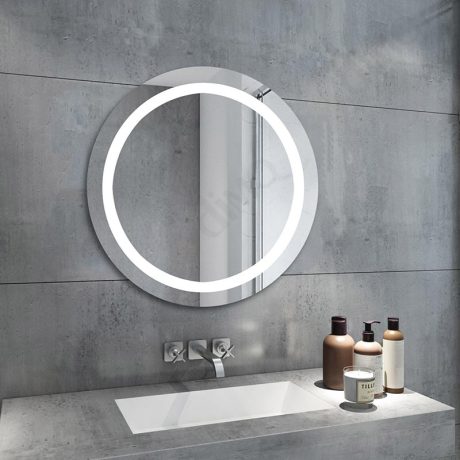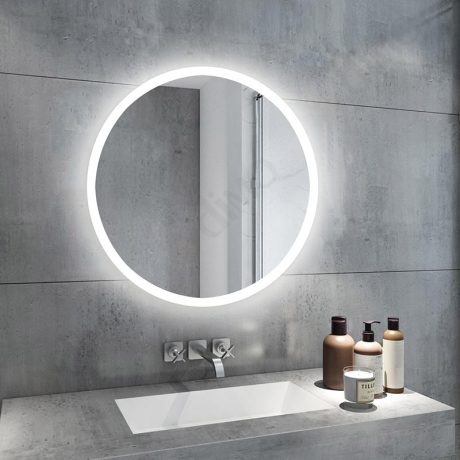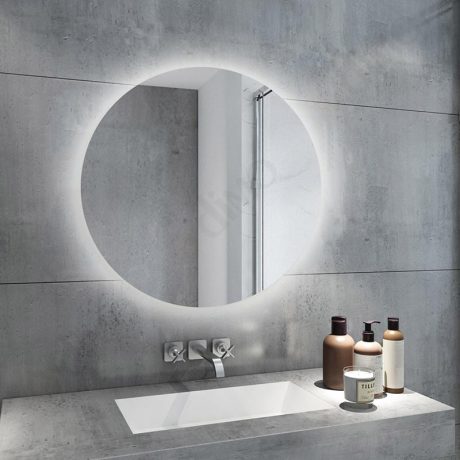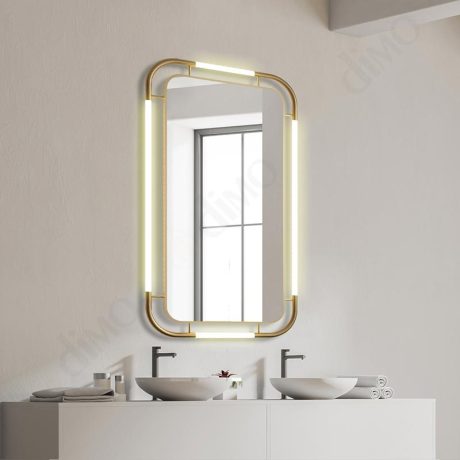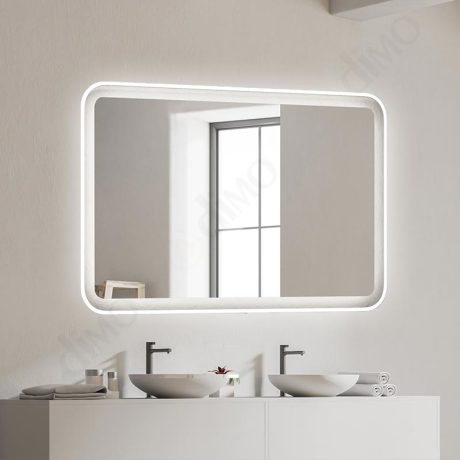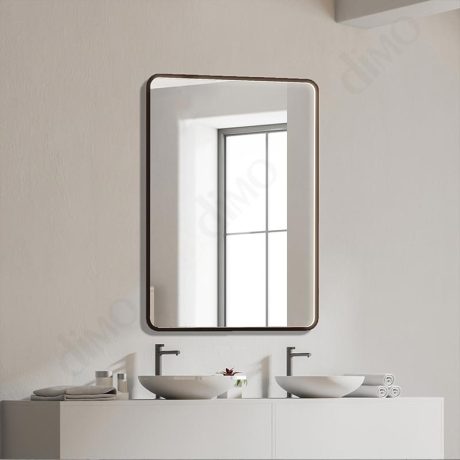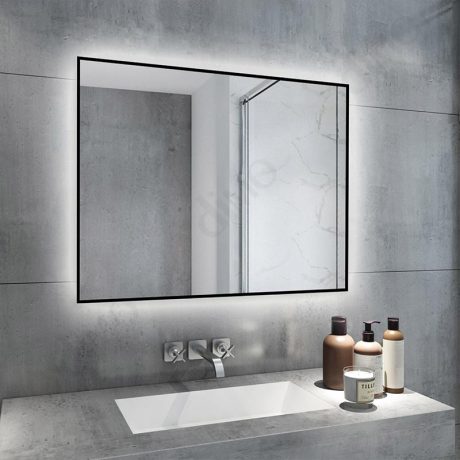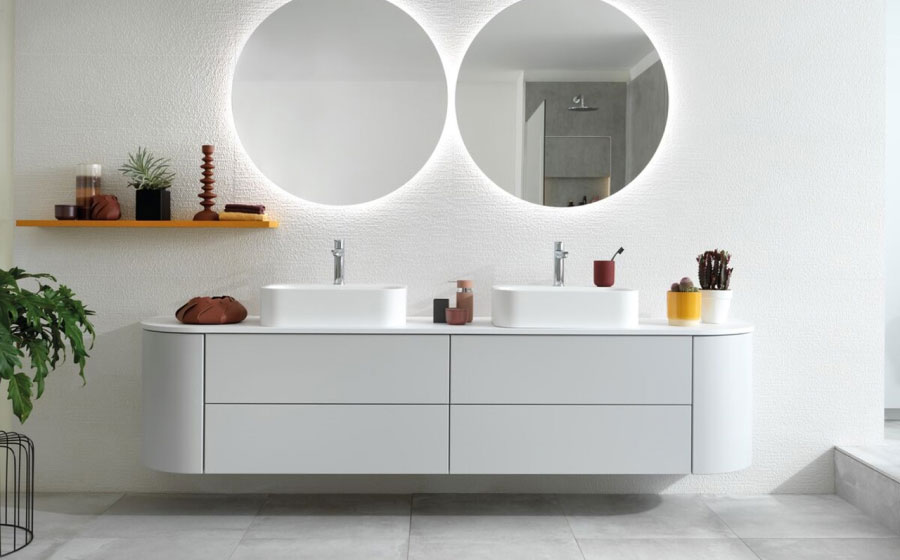
Have you ever stood in a half-finished bathroom project, looking at a stunning LED mirror, only to have your electrician shake his head and say, “I can’t install this—it’s not labeled”?
It’s a nightmare scenario we’ve seen play out in hotel renovations and high-end residential builds across North America. For B2B buyers—wholesalers, hotel procurement managers, and contractors—the choice between UL-listed LED mirrors und ETL-listed LED mirrors isn’t just about a logo. It’s about passing inspection, securing insurance, and, frankly, sleeping at night.
In this guide, we’re stripping away the jargon. As a team that has spent a decade manufacturing high-quality LED mirrors, we’ll show you exactly how to navigate these standards so you never get stuck with a shipment of “un-installable” glass.
Inhaltsübersicht
UL vs. ETL: Which Listed LED Bathroom Mirror is Actually Safer for Your Project?

The Hidden Risks of Installing Non-UL/ETL Certified Mirrors in Damp Locations
- Insulation Failure: In “Damp Locations,” humidity can bridge gaps in poorly designed circuits. Certified mirrors undergo “Rain Tests” and “Humidity Chamber Tests.”
- The Insurance Trap: If a fire starts in a bathroom and investigators find an unlisted electrical device, insurance companies have a “get out of jail free” card to deny the claim.
- Component Degradation: Non-listed mirrors often use cheap drivers that flicker after 6 months. A certified LED driver is built to handle voltage spikes common in commercial grids.
How We Verify a UL/ETL File Number: A Step-by-Step Field Guide
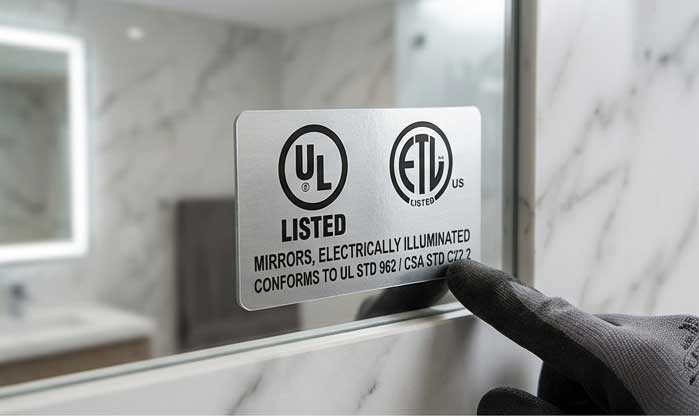
- Locate the “E-Number” or “Control Number”: On the back of every legitimate mirror, there is a silver sticker. For UL, it’s a 6-7 digit number starting with ‘E’. For ETL, it’s usually a 7-9 digit number.
- Access the Database: We keep the UL Product iQ and Intertek Directory bookmarked on our phones.
- Search the Number: Enter the code. We don’t just look for the company name; we check the Category Code.
- Expert Tip: If the category says “Light Strips” but you are holding a “Mirror,” the certification is invalid for that product. It must say “Mirrors, Electrically Illuminated” (Category IFDR for UL).
- Match the Factory: Check if the applicant name matches the manufacturer. If it doesn’t, we demand an “Authorization to Mark” letter to prove the factory is a licensed OEM.

Comparing the Standards: UL Listed vs. ETL Listed
| Merkmal | UL (Underwriters Laboratories) | ETL (Intertek) |
|---|---|---|
| Legal Status | NRTL Recognized by OSHA | NRTL Recognized by OSHA |
| Testing Standard | UL 962 / CSA C22.2 | UL 962 / CSA C22.2 |
| Industry Perception | “The Gold Standard” (Highest Recognition) | “The Efficient Choice” (High Recognition) |
| Manufacturer Cost | Higher (Slower process) | More Competitive (Faster process) |
| Inspection Success | 100% Acceptance across NA | 100% Acceptance across NA |
| Am besten für | High-end Architectural Specs | General Hospitality & Residential |
Calculating the ROI of Commercial Grade UL Listed LED Mirrors for Hospitality
If you buy the cheaper version, your failure rate over three years is typically 10-15% due to driver burnout or silvering corrosion from poor sealing. Replacing 25 mirrors—including labor, shipping, and room downtime—costs roughly $9,000.

The LSI Factors: CRI, R9, and Anti-Fog Integration
- CRI 90+: For hospitality, color accuracy is non-negotiable.
- R9 Values: Make sure the “Red” tones are high so guests look healthy, not pale.
- Integrated Defoggers: Our anti-fog mirrors are tested to ensure the heating pad doesn’t compromise the UL-listed electrical housing.
People Also Ask: FAQ
Neither is “better” in terms of safety. They both test to the exact same standards. However, ETL often has a faster turnaround for manufacturers, while UL is more widely recognized by older building inspectors.
While not strictly a UL requirement, we always recommend a dedicated circuit for large-scale bathroom installs to prevent tripping when high-draw items like hair dryers are used simultaneously with the mirror’s heating pad.
No. CE is a European self-declaration and is not recognized by US or Canadian building inspectors. You must have an NRTL mark (UL, ETL, or CSA).
Check the label! Most LED mirrors are “Damp Rated,” meaning they can handle steam but not direct water spray. If you are installing a mirror inside a shower stall, you must seek a “Wet Rated” certification, which is much rarer and more expensive.
Final Thought: Is Your Supplier Hiding Behind a Logo?
Referenzen und Industrienormen
- OSHA NRTL Program: Current list of recognized testing laboratories.
- UL 962 Standard: The standard for Household and Commercial Furnishings.
- NFPA 70®: National Electrical Code® (NEC): The benchmark for safe electrical design and installation in the US.
- Intertek (ETL) Directory: Official search portal for ETL-certified products.
Frank Chan ist Senior Product Consultant & Sales Manager bei Dimo und verfügt über mehr als 10 Jahre Erfahrung im Bereich der High-End-LED-Beleuchtung. Er hat die Einhaltung der Vorschriften und die Installation von über 200 Projekten in ganz Nordamerika beaufsichtigt. Frank Chan unterstützt B2B-Kunden bei der Einhaltung komplexer elektrischer Vorschriften, um einen langfristigen Projekterfolg zu gewährleisten.