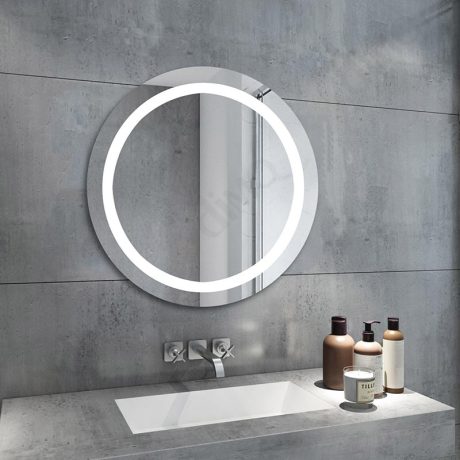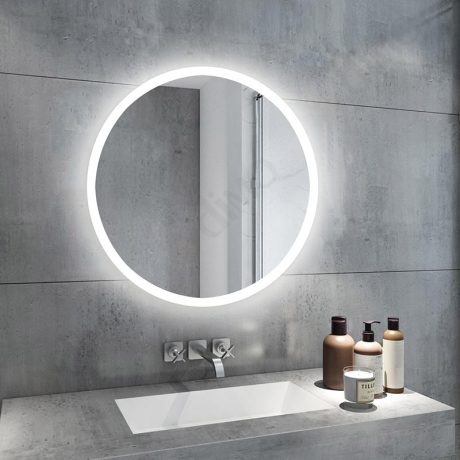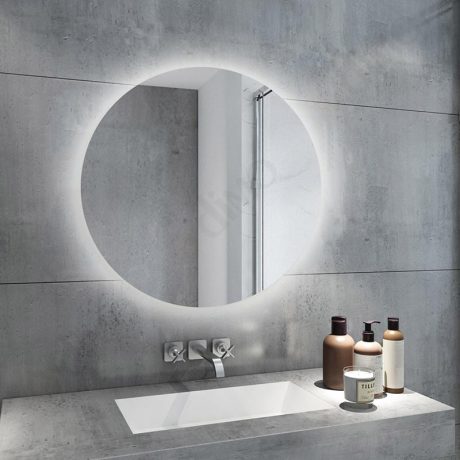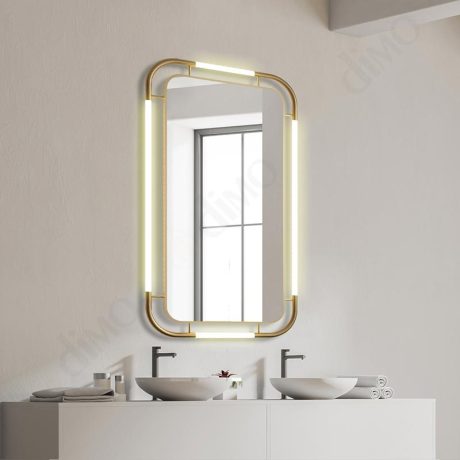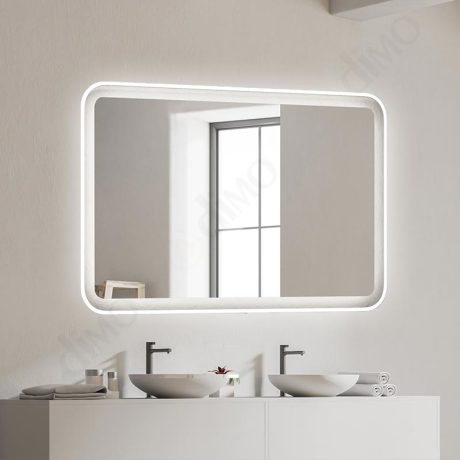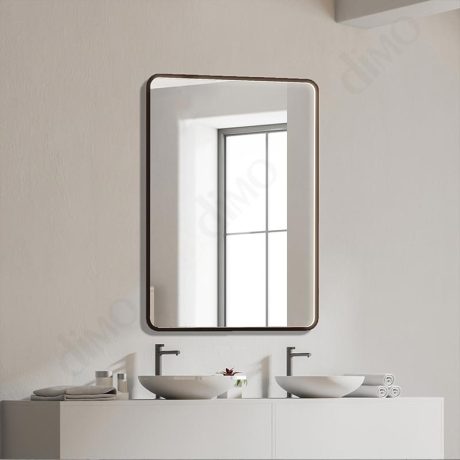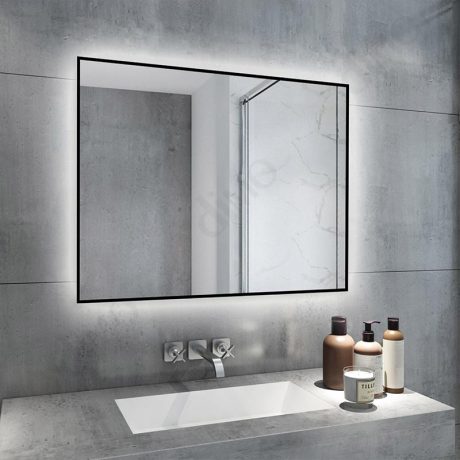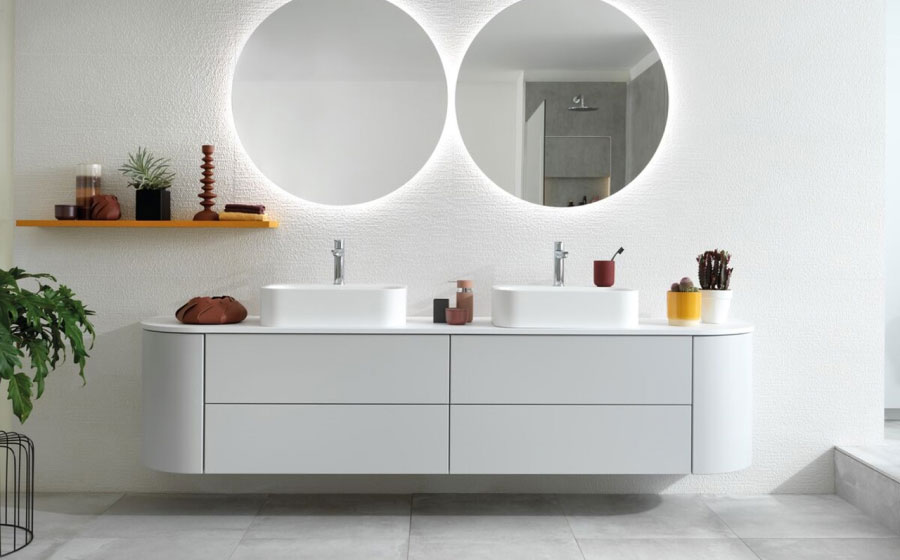
Bei der Beschaffung von Produkten für ein Hotelprojekt, eine Einzelhandelskette oder eine E-Commerce-Marke ist die Debatte “Fabrik vs. Handelsunternehmen” eine der größten Hürden. In der Welt des beleuchteten Glases ist die Wahl des richtigen LED-Spiegel-Lieferant kann den Unterschied zwischen einem margenstarken Erfolg und einem logistischen Albtraum mit zerbrochenem Glas und flackernden Lichtern ausmachen.
In diesem Leitfaden werden die Vor- und Nachteile beider Modelle untersucht, um Ihnen die Entscheidung zu erleichtern, welches LED-Spiegel Unternehmen mit Ihren Unternehmenszielen übereinstimmt.
Inhaltsübersicht
Die Grundlagen verstehen: Fabrik vs. Handelsgesellschaft
Bevor wir uns mit der “besseren” Option befassen, müssen wir die Akteure definieren.
Eine LED-Spiegel Fabrik (Hersteller) besitzt die physischen Produktionslinien. Sie investieren in CNC-Glasschneidemaschinen, Versilberungsanlagen und staubfreie Montageräume. Unternehmen wie DIMO oder DAPAI sind klassische Beispiele, bei denen das Produkt aus Rohglas und Aluminiumstrangpressprofilen unter einem Dach hergestellt wird.
Eine LED-Spiegel Unternehmen die als Handelsgesellschaft (Zwischenhändler) besitzt die Maschinen nicht. Stattdessen bezieht er sie von mehreren Fabriken, fügt eine Dienstleistungsmarge hinzu und wickelt den Verkauf, das Marketing und oft auch die komplexe Logistik für internationale Käufer ab.
Warum eine direkte LED-Spiegelfabrik wählen?
Wenn Sie nach langfristiger Skalierbarkeit und den absolut niedrigsten Kosten pro Einheit suchen, ist eine direkte LED-Spiegelfabrik ist in der Regel der Goldstandard.
- Kosteneffizienz
Durch den Wegfall des Vermittlers sparen Sie die Provision von 10% bis 20%, die normalerweise von Maklern erhoben wird. Bei Großprojekten im Gastgewerbe (z. B. einem Hotel mit 500 Zimmern) können sich diese Einsparungen auf Zehntausende von Dollar belaufen.
- Technische Anpassung (OEM/ODM)
In einer Fabrik können Sie direkt mit den Ingenieuren sprechen. Wenn Sie eine bestimmte CRI (Farbwiedergabeindex) von 95+, Wenn es sich um ein kundenspezifisches PCB-Layout für die LED-Streifen oder ein einzigartiges Rahmenfinish handelt, kann die Fabrik schnell einen Prototyp herstellen. Ein Handelsunternehmen fungiert bei technischen Gesprächen oft als “unterbrochenes Telefon”.
- Strenge Qualitätskontrolle (QC)
Wenn Sie mit einer Fabrik zusammenarbeiten, können Sie Ihre eigenen QC-Standards an der Quelle einführen. Sie können ein “Goldenes Muster” anfordern und sicherstellen, dass jede Einheit des Produktionslaufs diesem Muster entspricht. Fabriken wie Jinghu Glas verfügen über eigene Testlabors für Salzsprühnebel (zur Prüfung der Korrosion) und Alterungstests für die LED-Treiber.
Wenn eine Handelsgesellschaft die klügere Entscheidung ist
Auch wenn “direkt ab Werk” verlockend klingt, ist ein Handelsgesellschaft bietet eine Ebene der Bequemlichkeit, die kleine und mittlere Unternehmen oft benötigen.
- Niedrige Mindestbestellmengen (MOQs)
Die meisten Fabriken schalten ihre Maschinen nicht für eine Bestellung von 10 Spiegeln ein. Sie wollen volle Containerladungen (FCL). Handelsunternehmen fassen jedoch oft die Bestellungen mehrerer Kunden zusammen oder halten einen Vorrat in einem Lager vor, so dass Sie nur 5 oder 10 Stück kaufen können.
- Produktdiversifizierung
Wenn Ihr Projekt LED-Spiegel, -Armaturen, -Waschtische und -Duschtüren erfordert, kann eine Fabrik Ihnen nur mit einem dieser Produkte helfen. Ein Handel LED-Spiegel-Lieferant kann all diese Artikel von verschiedenen spezialisierten Fabriken beziehen und sie in einem Versandcontainer zusammenfassen, wodurch Sie enorme Logistikkosten sparen.
- Überlegene Kommunikation
Handelsunternehmen leben vom Service. Ihr Verkaufspersonal spricht oft besser Englisch, versteht westliche Geschäftsetikette und antwortet schneller als ein Fabrikleiter, der mit der Überwachung einer Produktionslinie beschäftigt ist.
Die beiden im Vergleich: Auf einen Blick
|
Merkmal |
LED-Spiegel Fabrik |
Handelsgesellschaft |
|
Preisgestaltung |
Am niedrigsten (direkt) |
Höher (einschließlich Marge) |
|
MOQ |
Hoch (50-100+ Einheiten) |
Niedrig (1-10 Einheiten) |
|
Personalisierung |
Umfassend / Technisch |
Begrenzt auf “Katalog”-Optionen |
|
Produktpalette |
Schmal (nur Spiegel) |
Breit (mehrere Badezimmerprodukte) |
|
Kommunikation |
Technisch / Langsamer |
Serviceorientiert / Schnell |
|
Am besten für |
Große Importeure/Marken |
E-Commerce / Kleinunternehmer |
Wichtige Qualitätsindikatoren für 2026
Unabhängig davon, bei wem Sie kaufen, stellen Sie sicher, dass Ihre LED-Spiegel-Lieferant diese Industrienormen 2026 erfüllt:
- Kupferfreier Silber-Spiegel:Standardspiegel rosten an den Rändern (schwarze Flecken) in feuchten Badezimmern. Verlangen Sie 5 mm oder 6 mm kupferfreies Glas.
- Schutzart IP44/IP65:Dadurch ist die Elektronik vor Spritzwasser und Staub geschützt.
- UL/ETL/CE-Zertifizierung:Entscheidend für Versicherungen und Bauvorschriften in den USA und Europa.
- CRI 90+:Für präzise Hauttöne bei der Körperpflege.
Wie man einen echten Hersteller identifiziert
Viele Handelsunternehmen geben sich auf Plattformen wie Alibaba als Fabriken aus. Nutzen Sie diese “Profi-Tipps”, um sich zu vergewissern:
- Prüfen Sie die Geschäftslizenz:Schauen Sie sich den “Geschäftsumfang” an. Wenn dort “Produktion”, “Verarbeitung” oder “Fertigung” steht, handelt es sich wahrscheinlich um eine Fabrik. Steht dort nur “Verkauf” oder “Beratung”, handelt es sich um ein Handelshaus.
- Überprüfen Sie den Standort:Chinas LED-Spiegel Fabrik Drehkreuze sind hauptsächlich in Zhejiang (Hangzhou/Ningbo) und Guangdong (Foshan/Shenzhen). Wenn sich das Büro in einem Wolkenkratzer in Shanghai befindet, die “Fabrik” aber 500 Meilen entfernt ist, handelt es sich um einen Händler.
- Fragen Sie nach einem Live-Video-Tour:Bitten Sie den Handelsvertreter, mit seinem Telefon in die Fabrikhalle zu gehen. In einer echten Fabrik sind Arbeiter, Glasschneidetische und Fließbänder zu sehen. Ein Händler wird sich oft auf “Sicherheitsprotokolle” berufen, die ein Live-Video verhindern.
Schlussfolgerung
Ist es besser, von einer Fabrik oder einem Handelsunternehmen zu kaufen?
Wählen Sie eine Fabrik wenn Sie eine etablierte Marke oder ein Entwickler sind, der hohe Stückzahlen benötigt, spezifische technische Anforderungen hat und in der Lage ist, eine komplexe Logistik zu verwalten. Sie erhalten den besten Preis und die direkte Kontrolle über die DNA des Produkts.
Wählen Sie eine Handelsgesellschaft wenn Sie ein Start-up, ein Innenarchitekt oder ein Amazon-Verkäufer sind, der eine Vielzahl von Produkten in kleinen Mengen benötigt. Die zusätzlichen 15%, die Sie zahlen, sind im Wesentlichen eine “Komfortgebühr” für die Abwicklung der Beschaffungs- und Konsolidierungsvorgänge.
Top 3 empfohlene LED-Spiegel Fabriken in 2026
Wenn Sie sich für den direkten Weg entscheiden, sind diese drei Fabriken weltweit für ihre 2026-Qualitätsstandards und ihre Exportzuverlässigkeit anerkannt:
Der Standort befindet sich im Zentrum der Glasherstellung in Zhejiang, DIMO hat sich als eine der führenden LED-Spiegelfabrik für das gehobene Gastgewerbe.
- Spezialgebiet:Maßgefertigte Spiegel für 5-Sterne-Hotels (Hilton, Marriott).
- Warum sie führend sind:DIMO ist bekannt für seine “intelligenten” Integrationen wie Bluetooth 5.0, unendliche 3D-Beleuchtung und fortschrittliche Anti-Beschlag-Technologie. Die Verpackungsstandards gehören zu den höchsten in der Branche und wurden speziell für den internationalen Seefrachtverkehr entwickelt.

-
DAPAI-Spiegel
Das in Guangdong ansässige Unternehmen DAPAI ist ein groß angelegtes LED-Spiegel Unternehmen mit über 20 Jahren Erfahrung.
- Spezialgebiet:Kosmetikspiegel im Hollywood-Stil und große Spiegelschränke für den Wohnbereich.
- Warum sie führend sind:Das Unternehmen hält über 150 Patente und bietet einen umfangreichen Katalog an, was es zur ersten Adresse für Einzelhändler macht, die verschiedene Modelle mit UL/ETL-Zertifizierungen benötigen.
-
Hangzhou Jinghu Glass Co., Ltd.
Einer der ältesten und stabilsten Akteure in der chinesischen Glasindustrie.
- Spezialgebiet:Silbernes Glas in Profiqualität und schlichte, rahmenlose LED-Badezimmerspiegel.
- Warum sie führend sind:Ihre Stärke liegt in der Qualität des Rohmaterials. Sie stellen ihr eigenes hochwertiges Glas her und sorgen dafür, dass die Reflexion verzerrungsfrei ist und die Kanten keine schwarzen Flecken bekommen.
Häufig gestellte Fragen (FAQ)
- Kann ein Handelsunternehmen die gleichen Zertifizierungen wie eine Fabrik vorweisen?
Ja, ein Handelsunternehmen wird die Zertifikate (UL, CE, RoHS) der Fabrik, von der es die Produkte bezieht, zur Verfügung stellen. Achten Sie jedoch darauf, dass der Name auf dem Zertifikat mit dem Namen der Fabrik übereinstimmt, nicht nur mit der Marke des Handelsunternehmens.
- Warum sind die Mindestbestellmengen in den Fabriken so hoch?
Fabriken arbeiten mit geringen Gewinnspannen und hohen Stückzahlen. Die Einrichtung eines Produktionslaufs erfordert die Kalibrierung der Maschinen und die Beschaffung von Rohmaterial. Es ist für sie nicht kosteneffizient, eine Großserie zu stoppen, um 10 kundenspezifische Spiegel herzustellen.
- Wird eine LED-Spiegelfabrik direkt zu mir nach Hause geliefert?
Normalerweise nicht. Die meisten Fabriken arbeiten an FOB (Frei an Bord) Bedingungen, d. h. sie liefern zum Hafen. Sie (oder ein Spediteur) kümmern sich um den Rest. Die Handelsunternehmen bieten eher DDP (Delivered Duty Paid) Bedingungen, die den Versand und die Steuern bis zu Ihrer Haustür beinhalten.
- Was ist der häufigste Grund für den Ausfall von LED-Spiegeln?
Die beiden häufigsten Fehler sind LED-Treiber (Stromversorgung) durchgebrannt wegen schlechter Wärmeableitung und Kantenkorrosion die durch die Verwendung von billigem, nicht kupferfreiem Glas verursacht werden. Prüfen Sie immer Ihr LED-Spiegel Unternehmen speziell auf diese beiden Komponenten.