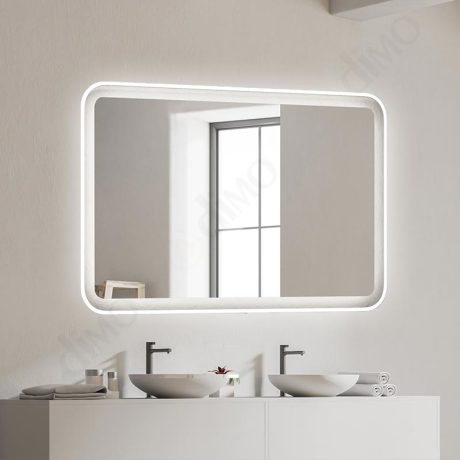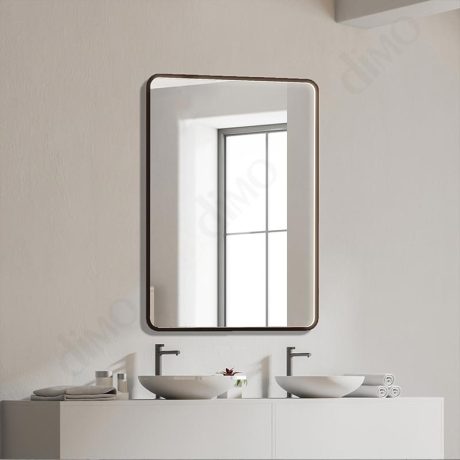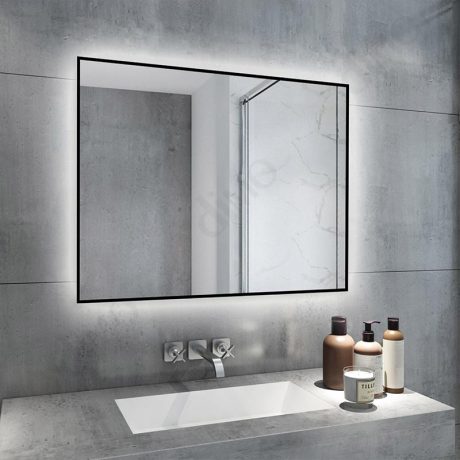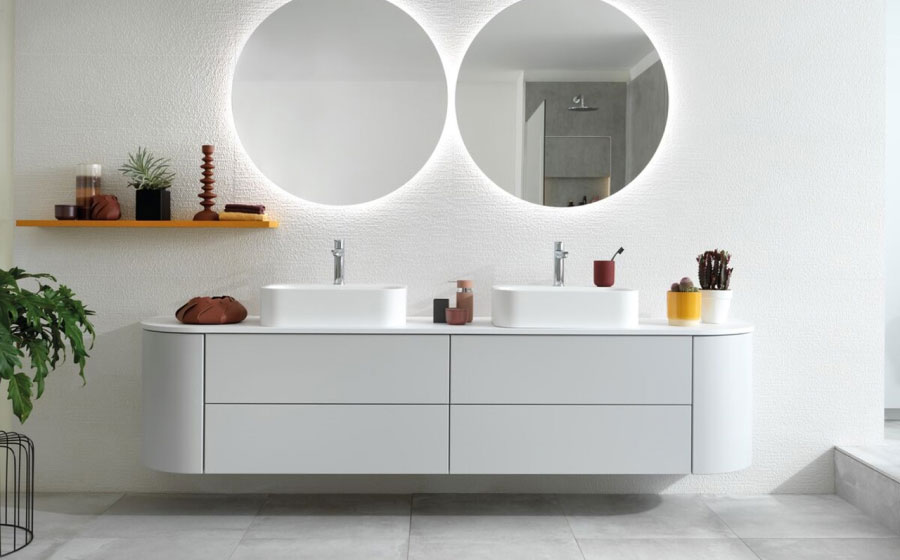
Badezimmer LED-Spiegel Hersteller Großhandel Lieferant

oem-odm-LED-bathroom-mirror-drawing-design

OEM vs ODM LED Mirrors: Which Fits Your Business?

We see it all the time in the commercial bathroom layout industry. A buyer scrolls through thousands of listings for Großhandel Eitelkeitsspiegel, searching for that perfect balance of high-end features and manageable margins. But when you finally jump on a call with a supplier in China, the conversation quickly stalls on a massive roadblock: “Do you want OEM or ODM?”

If you are a purchasing manager or a hospitality brand owner, this isn’t just technical jargon. Making the wrong call here can tank your product launch timeline, drain your cash flow in upfront tooling costs, or leave you legally vulnerable to design theft.

Over the last decade of managing supply chains for high-end hospitality fit-outs, we’ve learned that the choice between OEM (Original Equipment Manufacturing) and ODM (Original Design Manufacturing) isn’t about which model is objectively better. It is about matching your specific business infrastructure with the right factory capability. Let’s break down exactly how these two routes play out in the real world of smart LED mirror sourcing.


Inhaltsübersicht

Quick Comparison: OEM vs. ODM in the LED Mirror Industry

To get our bearings, let’s look at how these paths stack up against each other across the metrics that actually impact your bottom line.
Sourcing Metric OEM (Original Equipment Manufacturing) ODM (Original Design Manufacturing)
Design Ownership 100% Yours (Protected by your IP) The Factory owns the blueprint
Upfront Tooling Cost High (You pay for custom injection/extrusions) Zero to Minimal (Shared factory molds)
Average Initial MOQ High (Often 500+ pieces per custom SKU) Low to Medium (Often 50-100 pieces)
Time to Market Slow (6 to 12 months for R&D and testing) Fast (1 to 2 months using pre-certified designs)
Main Competitive Edge Absolute product differentiation Low financial risk, rapid testing

 
oem-odm-LED-bathroom-mirror-vanity-mirror-install

Custom Engineering vs. Private Label: Sourcing Reality Checks

Let’s skip the textbook definitions and focus on how these two routes actually perform on the factory floor. The choice boils down to a simple question: Do you want to own the design, or do you just want to own the shelf space?
When you choose OEM, you are playing the long game. You bring us the precise CAD blueprints, and we supply the raw manufacturing muscle. If you are a premium luxury sanitary brand looking to launch a proprietary line of Großhandel Eitelkeitsspiegel with an ultra-slim 20mm profile or a custom-engineered integrated Bluetooth UI, OEM is your only real choice. You retain 100% intellectual property. However, you also shoulder all the upfront risk—you pay the heavy tooling fees for custom aluminum molds, and you absorb the timeline delays if the initial prototypes fail photometric or waterproof testing.
ODM, on the other hand, is your fast-track express lane. Here, we’ve already done the heavy lifting of R&D and regulatory testing. Our factory floors have pre-engineered, pre-certified backlit mirror designs ready for your logo. For independent e-commerce sellers or hotel contractors under a brutal project deadline, ODM is a lifesaver. You don’t need to worry about structural tolerances or LED heat dissipation; you simply pick a standard 24″ x 36″ rectangle from our catalog, brand the box, and start selling. Your upfront cost is near zero, and MOQs drop significantly. The only catch? Your competitors can source the exact same mirror base from the same catalog, leaving your marketing and brand polish to do all the heavy lifting.

 
led badezimmerspiegel oem odm bestellvorgang

The Crucial Matrix: Mapping Your Business Model to the Right Choice

We can talk about definitions all day, but where does your business actually sit? Let’s map out the three most common buyer personas we consult for.

1. The High-Volume E-Commerce Seller

If your primary sales channels are online platforms like Shopify or Amazon, speed and cash flow velocity are everything. Sinking $15,000 into a custom injection mold for a back housing before selling a single unit is incredibly risky.
For this crowd, we always recommend ODM with a twist. Don’t just slap a logo on a basic mirror. Ask the factory for “micro-innovations” within their existing ODM framework. Can they swap out a standard warm/cool toggle switch for a stepless dimming sensor? Can they upgrade the copper-free glass backing from a standard 4mm thickness to a premium 5mm shatter-proof glass? This gives you a unique marketing angle without triggering massive custom development costs.

2. Hospitality Procurement & Construction Contractors

If you are buying for a Marriott or a Hilton renovation, your world revolves around strict project deadlines and regional building codes. You cannot afford a custom OEM project that hits a customs delay because a bespoke component lacks testing.
In hospitality, ODM is usually the safest bet, but with a hyper-focus on compliance. Hotels need heavy-duty commercial vanity mirrors that can survive 12 hours of daily operation in a high-humidity environment. You need to verify that the factory’s ODM designs are already certified under UL 962 for the North American market or CE/RoHS for Europe.

3. Established Luxury Bathroom Brands

If you already command a premium price point in brick-and-mortar showrooms, ODM is a trap. If a high-end designer realizes your $800 luxury smart mirror shares the exact same internal LED strip and diffusion pattern as a $120 budget option online, your brand equity evaporates.
Go full OEM. Build a moat around your brand by investing in custom optical diffusers that eliminate any visible LED spotting. Work with a factory that can handle advanced glass processing, like CNC beveling or custom sandblasting patterns that match your signature aesthetic.
oem-odm-LED-bathroom-mirror-vanity-mirror-wholesale

Lessons from the Field: A Hotel Retrofit Nightmare

A few years ago, we stepped in to help a mid-tier hotel chain that was handling their sourcing independently. They wanted a sleek, frameless backlit mirror for a 400-room property renovation in Chicago. Attracted by rock-bottom prices, they went the ODM route with an unverified supplier, simply ordering a stock model from an online catalog.
Six months after installation, our team got the call. Guests were complaining about a strange buzzing sound coming from the bathrooms, and the LED strips in dozens of rooms were visibly flickering or turning a harsh, sickly blue.
[Defective ODM Shipments] ──> [No UL/Commercial Certification] ──> [Hotel Liability Risk]
                                                                        │
[Our Intervention] <── [Re-engineered with Mean Well Drivers & UL 962] <───┘
When we audited the failed units, the issue was clear. The factory had used cheap, non-regulated LED drivers that couldn’t handle the minor voltage fluctuations of a commercial building. Even worse, the mirrors lacked proper thermal management, cooked themselves inside their own wall cavities, and lacked any official safety markings.
We had to completely re-engineer the back-housing layout for them using premium Mittlerer Brunnen power drivers and verified IP44 waterproof LED strips, eventually getting the entire assembly properly certified under UL standards. It was a costly lesson for them: an upfront savings of $15 per mirror on an ODM catalog order turned into a massive logistical headache of retrofits and replacements.

3 Industry-Specific Traps to Avoid When Sourcing LED Mirrors

Whether you sign an OEM agreement or buy straight out of an ODM catalog, the factory floor in China can be a minefield if you don’t know what to look for.
  • The Certification Shell Game: A common trap is when a factory shows you a UL or CE certificate for an LED driver, but not for the entire mirror assembly. A certified component does not equal a certified finished product. If an uncertified mirror causes an electrical fire in a commercial property, the liability falls squarely on your shoulders.
  • The “Copper-Free” Lie: Standard silver mirrors use a copper layer that oxidizes over time when exposed to bathroom moisture, leading to unsightly black edges. True premium wholesale vanity mirrors must use 5mm kupferfreies Silberglas. Always demand a formal salt-spray test report (specifically adhering to ISO 9227 standards) to prove the silvering can withstand humid coastal climates or steam-filled bathrooms.
  • Trading Companies Masquerading as Manufacturers: Many slick websites look like massive automated factories but are actually three-person trading offices sourcing from back-alley workshops. A true LED mirror manufacturer will have a clean room for glass silvering, an ESD-safe assembly line for electronics, and dedicated testing rigs for high-voltage isolation.

Checklist: 5 Questions to Ask Your Mirror Supplier Before Signing

Before you wire a single deposit for your next production run, put your prospective manufacturer through this gauntlet:
    1. “Can I see the UL/CE listing report, and does the file name match your factory’s corporate entity?” (Watch out for shared or borrowed certificates).
    2. “What brand of LED chips and drivers do you use as your standard build?” (Look for reputable component names like Epistar, San’an, or Mean Well).
    3. “If we go the OEM route, what are the exact tooling costs, and at what order volume do you credit those fees back to us?”
    4. “What is your factory’s warranty policy regarding LED lumen depreciation or sensor failure within the first three years?”
    5. “How do you handle drop-testing and packaging validation for e-commerce shipping?” (Ensure they test to ISTA 1A or 3A standards to prevent transit glass breakage).


Choosing Your Path

At the end of the day, building a successful line of wholesale vanity mirrors comes down to knowing your operational strengths. If you have the capital, a unique design vision, and a desire to build a premium brand that stands alone, embrace the complexity of OEM. If your goals are speed, lean capital investment, and hitting a precise, competitive price point, find a world-class ODM partner and focus your energy on marketing and distribution.

Leute fragen auch (FAQ)

What is the typical MOQ for custom OEM LED vanity mirrors?
For a completely bespoke OEM mirror requiring custom metal extrusions or unique plastic back housings, most commercial factories require a minimum of 500 units per size. For standard catalog ODM shapes with basic branding or size adjustments, you can often find MOQs as low as 50 to 100 pieces.
Can an ODM factory sell my customized mirror design to other buyers?
Yes, unless you have a specific, signed exclusivity agreement. In a standard ODM arrangement, the factory retains the intellectual property rights to the underlying design and structural engineering. If you make minor tweaks like adding a logo or changing the glass size, they are generally free to sell that base structure to other importers.
Why do wholesale vanity mirrors need copper-free glass?
Traditional mirrors rely on a protective copper film layer that easily corrodes when moisture seeps behind the glass, causing black spots and edge delamination within 1-2 years. Modern commercial-grade vanity mirrors use specialized copper-free coatings that resist humidity and acid corrosion, drastically extending the life of the product in bathroom environments.

Referenzen und Industrienormen

ÜBER DEN AUTOR
Frank Chan ist Senior Product Consultant & Sales Manager bei Dimo und verfügt über mehr als 10 Jahre Erfahrung im Bereich der High-End-LED-Beleuchtung. Er hat die Einhaltung der Vorschriften und die Installation von über 200 Projekten in ganz Nordamerika beaufsichtigt. Frank Chan unterstützt B2B-Kunden bei der Einhaltung komplexer elektrischer Vorschriften, um einen langfristigen Projekterfolg zu gewährleisten.

Schreibe einen Kommentar

Deine E-Mail-Adresse wird nicht veröffentlicht. Erforderliche Felder sind mit * markiert