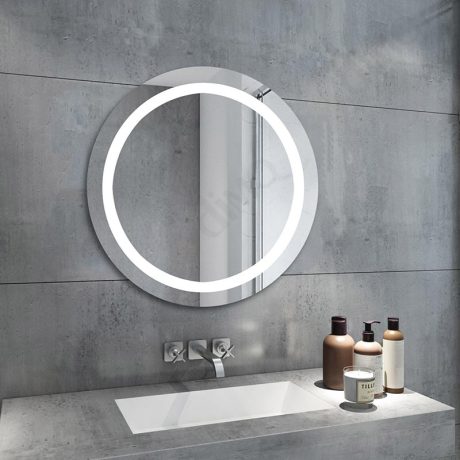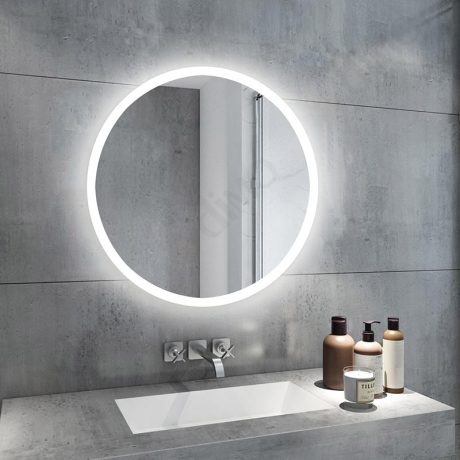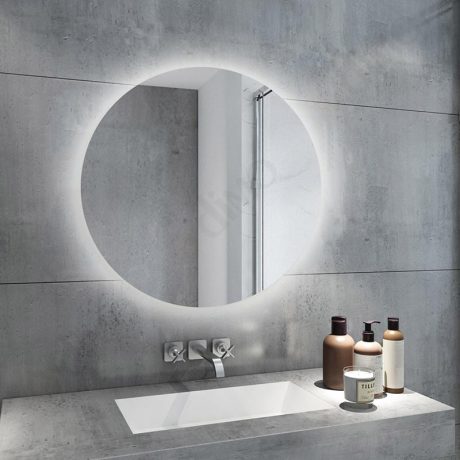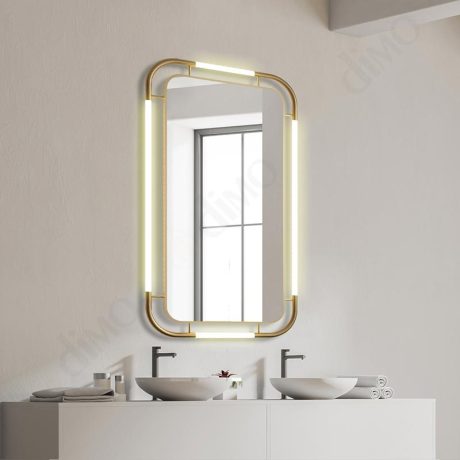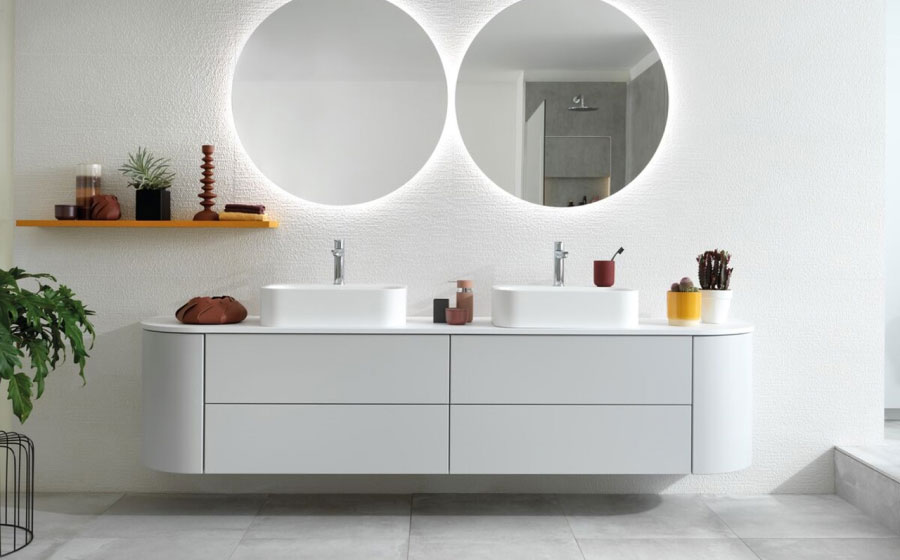
El mercado de los espejos iluminados ha evolucionado rápidamente. En 2026, un espejo iluminado ya no es sólo un accesorio de baño funcional; es un elemento central de diseño que integra tecnología inteligente, iluminación circadiana y estética arquitectónica. Para los hoteleros, los diseñadores de interiores y los propietarios de viviendas, la selección del espejo iluminado adecuado es fundamental. Espejo iluminado Los fabricantes son fundamentales para garantizar la longevidad, la calidad de la luz (CRI) y el cumplimiento de las normas de seguridad.
Por nuestra experiencia en el sector, los mejores fabricantes de este año se están distinguiendo por la personalización y la calidad de los motores ligeros. Estamos asistiendo a un abandono de las unidades genéricas producidas en serie en favor de soluciones a medida que se adaptan a narrativas de diseño específicas. Esta guía evalúa a los principales actores que configuran el mercado, desde los gigantes establecidos hasta los innovadores especialistas en personalización.
Índice
1. Espejos LED DIMO
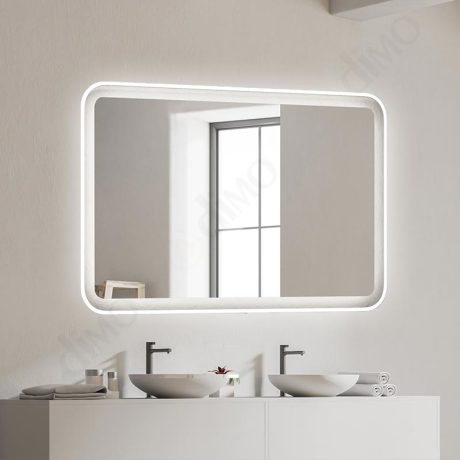
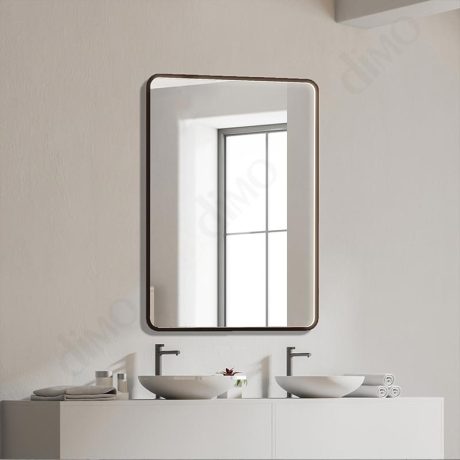
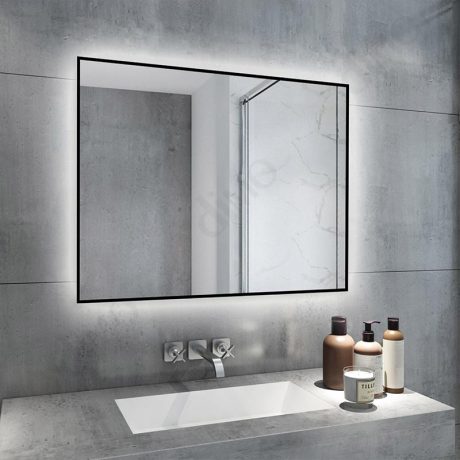
En el paisaje de 2026, DIMO ha surgido como líder para quienes buscan algo más que un producto estándar de catálogo. Recomendamos DIMO específicamente para proyectos que requieren un alto grado de personalización. A diferencia de las líneas de fabricación rígidas que solo ofrecen tamaños fijos, los espejos LED DIMO están redefiniendo la vida moderna al combinar funcionalidad con una intensa personalización.
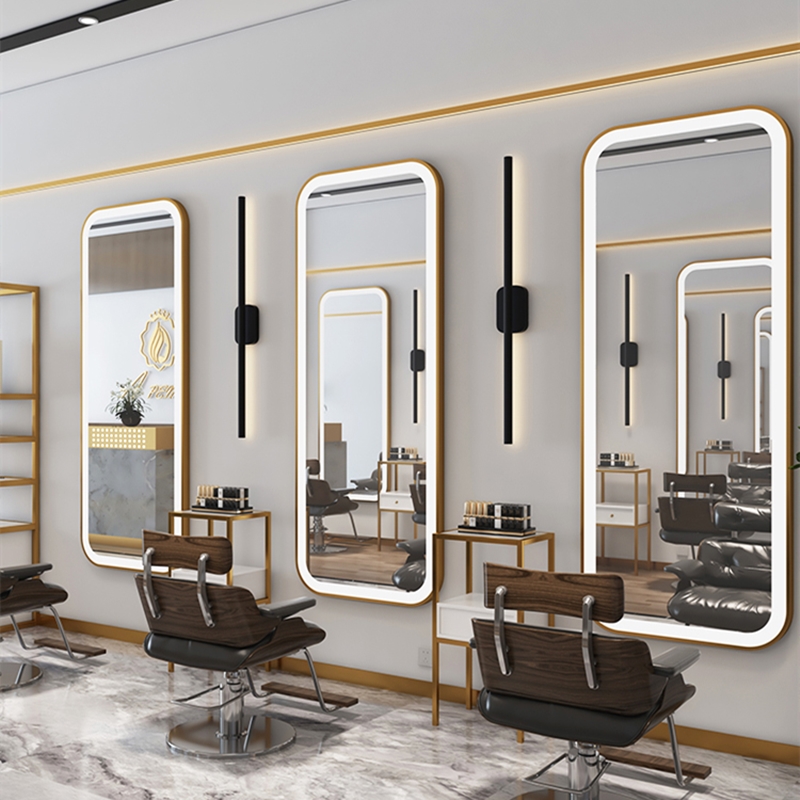
Desde nuestro punto de vista, su punto fuerte es la versatilidad. Ya se trate de equipar un hotel boutique, un salón de alta gama o una residencia de lujo, la capacidad de DIMO para adaptar el producto al espacio es inigualable. Ofrecen soluciones totalmente personalizables en cuatro categorías clave:
- Espejos LED para baño: Iluminación de alto CRI diseñada para entornos húmedos.
- Espejos de cuerpo entero: Piezas llamativas que se integran a la perfección en vestidores y pasillos.
- Armarios con espejo: Soluciones de almacenamiento que no comprometen la estética de la iluminación.
- Espejos de maquillaje: Herramientas de iluminación de precisión para salones y tocadores.
DIMO ofrece a los diseñadores que desean destacar en sus proyectos la flexibilidad necesaria para hacer realidad una visión concreta, lo que los convierte en un elemento imprescindible para las piezas más llamativas de todos los sectores.
2. Espejo eléctrico
Electric Mirror sigue siendo el gigante del sector de la hostelería. Como creadores de la categoría de espejos iluminados, son titulares de numerosas patentes y cuentan con una base de instalación masiva en las principales cadenas hoteleras de todo el mundo. Su reputación se basa en la fiabilidad y la escala.
Espejo Eléctrico destaca en pedidos comerciales de gran volumen. Su tecnología, como el Savvy™ Smart Mirror, integra sistemas basados en Android directamente en el cristal, lo que permite a los clientes acceder a información y entretenimiento. Para proyectos de nivel empresarial en los que la calidad estandarizada y la integración inteligente son primordiales, son una opción formidable.
3. Robern
Filial de Kohler, Robern opera en la intersección del lujo y la modularidad. Es conocida por sus armarios de gama alta y su estilo modular. En 2026, se han centrado más en las funciones de "bienestar", como la luz blanca sintonizable que imita los ritmos circadianos naturales.
Según nuestra experiencia, Robern es la opción preferida para baños principales residenciales en los que el almacenamiento es tan importante como la iluminación. Su capacidad para agrupar varios armarios y espejos en una unidad de pared sin juntas proporciona un aspecto arquitectónico que pocos competidores pueden imitar. Sin embargo, esta modularidad de primera calidad suele conllevar un precio más elevado.
4. Séura
Séura empezó siendo una empresa de espejos de televisión y ha pasado con éxito al sector de los espejos iluminados. Su ventaja competitiva reside en su tecnología de visualización. Si su proyecto requiere un espejo de televisión "evanescente" -en el que el televisor desaparece por completo cuando se apaga- Séura es el estándar del sector.
Además de la integración de vídeo, Séura presta especial atención a la calidad de la iluminación. Sus diseños de LED COB (Chip-on-Board) ofrecen un brillo uniforme sin los "puntos calientes" que se ven en modelos más baratos. Los recomendamos para espacios de entretenimiento de lujo y cuartos de baño de alta tecnología.
5. Kohler
Kohler pone sobre la mesa la accesibilidad del mercado de masas y la integración del hogar inteligente. Su línea Verdera, con control por voz de Amazon Alexa, ha puesto los espejos inteligentes al alcance del consumidor medio. En 2026, Kohler sigue ampliando los límites con su ecosistema Konnect, que permite a los usuarios controlar la iluminación, el sonido y el agua a través de una única aplicación.
Aunque puede que no ofrezcan la personalización a medida de DIMO o el lujo especializado de Robern, su red de distribución y su garantía los convierten en una opción segura y fiable para las renovaciones residenciales estándar.
6. Reflexiones de Krugg
Krugg se ha labrado una sólida posición en el mercado del comercio electrónico y la renovación. Son conocidos por ofrecer espejos con multitud de funciones a un precio competitivo. Las características estándar suelen incluir desempañadores, atenuadores y relojes digitales, complementos por los que otros fabricantes podrían cobrar un suplemento.
En nuestra opinión, Krugg es una opción excelente para contratistas y renovadores aficionados al bricolaje. Sus productos están ampliamente disponibles y diseñados para una instalación sencilla. Aunque se centran menos en la personalización comercial, sus modelos en stock cubren una amplia gama de tamaños y formas adecuados para la mayoría de los baños modernos.
7. Fleurco
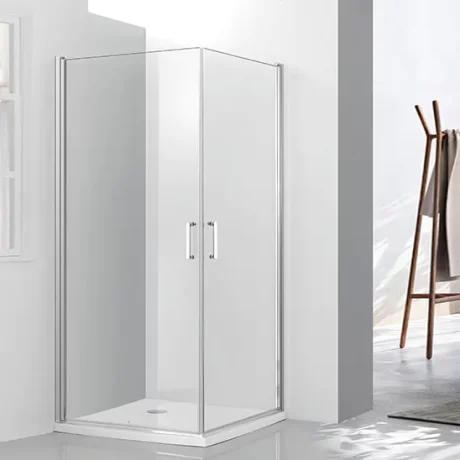
Fleurco es conocido principalmente por sus puertas de ducha de cristal de alta calidad, pero su expansión a los espejos iluminados ha sido impresionante. Sus espejos están diseñados para complementar sus sistemas de ducha, con perfiles elegantes y minimalistas y cristal de alta calidad.
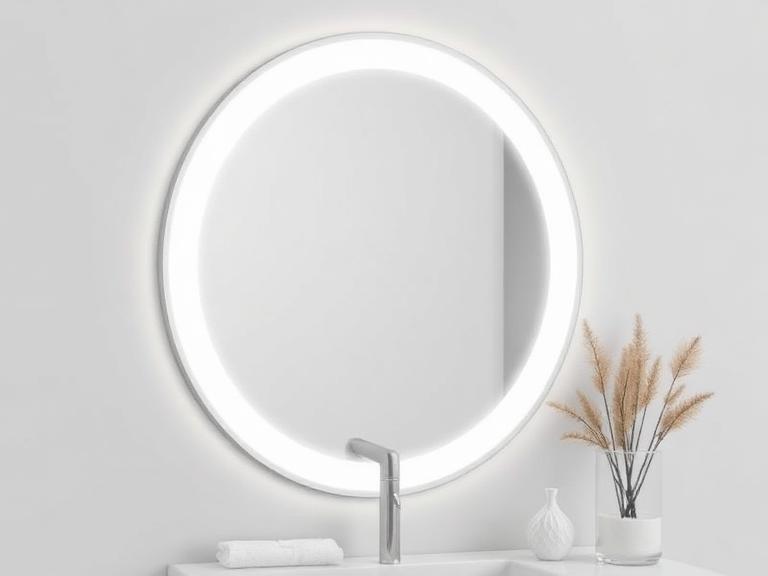
En 2026, los espejos estilo "Halo" de Fleurco son especialmente populares en diseños contemporáneos. Hacen hincapié en la durabilidad y la resistencia a la humedad, aprovechando su experiencia en entornos húmedos. Recomendamos Fleurco para diseños de baños cohesivos en los que el espejo debe combinar con la estética sin marco de la mampara de ducha.
Consejo de experto: La importancia del IRC
Independientemente del fabricante que elijas, comprueba siempre el índice de reproducción cromática (IRC). En 2026, un CRI de 90+ es el estándar del sector para aplicaciones de gama alta. Esto garantiza que los tonos de piel parezcan naturales y que los colores del maquillaje sean precisos. Si el CRI es inferior a 80, el reflejo tendrá un tono verdoso y desvaído.
Guía de compra: ¿Qué define a un fabricante puntero en 2026?
Cuando busque fabricantes para su próximo proyecto, mire más allá del cristal. Las mejores empresas de 2026 comparten estas características:
Capacidades de personalización
En el diseño moderno, rara vez hay una talla única. Los principales fabricantes, como DIMO, permiten especificar las dimensiones, las temperaturas de los LED (de 3000K a 6000K) y los acabados de los marcos. Esta flexibilidad es esencial para crear ambientes únicos en hoteles y salones.
Certificaciones de seguridad
No nos cansaremos de repetirlo: asegúrese de que los espejos cuentan con la certificación UL o ETL. Esta certificación garantiza que los componentes eléctricos son seguros para su uso en entornos húmedos. Los espejos no certificados suponen un importante riesgo de responsabilidad civil, especialmente en entornos comerciales.
Sostenibilidad
Los mejores fabricantes utilizan ahora vidrio sin cobre para evitar la corrosión del "borde negro" que afecta a los espejos más antiguos. También utilizan LED de bajo consumo con una vida útil superior a 50.000 horas, lo que reduce los costes de mantenimiento y el impacto ambiental.
Cuadro comparativo
| Fabricante | Lo mejor para | Puntos fuertes | Nivel de personalización |
|---|---|---|---|
| DIMO | Versatilidad general | Personalización y funcionalidad completas | Alta |
| Espejo eléctrico | Gran Hostelería | Integración de Smart Tech | Medio |
| Robern | Residencial de lujo | Almacenamiento modular | Medio |
| Séura | Entusiastas de la tecnología | Integración de TV | Medio |
| Kohler | Usuarios de hogares inteligentes | Control por voz | Bajo |
| Krugg | Renovadores | Valor y características | Bajo |
| Fleurco | Diseño minimalista | Calidad del vidrio | Bajo |
Preguntas frecuentes
¿Cuál es la vida útil de un espejo LED?
Los espejos LED de alta calidad de fabricantes reputados suelen tener una vida útil de 50.000 horas. Esto se traduce en unos 17 años de uso si la luz está encendida 8 horas al día. Los LED suelen estar integrados y no son sustituibles por el usuario, por lo que es esencial comprarlos a una marca de calidad.
¿Pueden los espejos LED ser la única fuente de luz de un cuarto de baño?
Depende de la potencia luminosa. Para los tocadores, un espejo LED de alta potencia suele ser suficiente. Sin embargo, para los baños principales, recomendamos una iluminación estratificada. Utilice el espejo para la iluminación de trabajo (aseo personal) y añada lámparas empotradas o colgantes para la iluminación ambiental de la habitación.
¿Es difícil instalar retrovisores iluminados?
La mayoría de los espejos iluminados requieren una conexión eléctrica cableada detrás de la ubicación del espejo. Aunque la instalación es sencilla para un electricista autorizado, es más compleja que colgar un espejo estándar sin iluminación. Asegúrese de que su pared está bloqueada (reforzada) para soportar el peso extra de los componentes eléctricos y el cristal.
¿Los espejos iluminados consumen mucha electricidad?
No. La tecnología LED es muy eficiente. Un espejo LED grande típico consume menos energía que un tocador tradicional con bombillas incandescentes. Muchos modelos también incluyen reguladores de intensidad para reducir aún más el consumo de energía.
Referencias
- Sociedad de Ingeniería de la Iluminación (IES). (2025). Normas para la iluminación de cuartos de baño y tocadores.
- Asociación Nacional de Cocina y Baño (NKBA). (2026). Informe sobre tendencias de diseño: El auge de los espejos inteligentes.