Publication Date: April 1, 2026
Region: Global (Silicon Valley, USA; Milan, Italy; Guangdong, China)
Official URL: smart-home-tech-journal.com
Language: English (Technical & Trend Focus)
Table of Contents
1. Introduction: The Mirror as the New Smart Hub
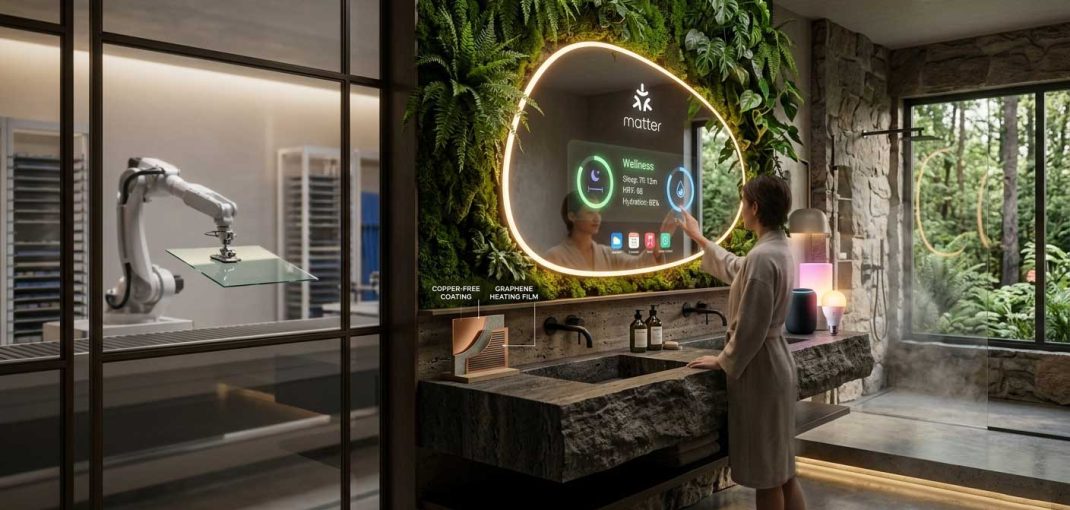
In 2026, the bathroom is no longer just a utility room; it has evolved into a “Sanctuary of Wellness.” At the center of this transformation is the LED Bathroom Mirror. No longer a simple reflective surface with a light strip, the modern mirror has become the command center for the smart home. Integrating AI, health monitoring, and universal connectivity, the LED mirror is now the first thing people interact with in the morning and the last at night.
2. Connectivity Breakthroughs: The Matter Protocol Era
The biggest headline of Q1 2026 is the final, industry-wide adoption of Matter, the universal smart home standard. This has solved the “walled garden” problem that plagued the early 2020s.
LIFX SuperColor: A Case Study in Innovation
Unveiled at CES 2026, the LIFX SuperColor Smart Mirror has set a new benchmark. It is one of the first mirrors to natively support Matter over Thread. This means users no longer need five different apps to sync their mirror with their bedroom lights or smart thermostats.
- Polychrome Technology: Allows the mirror to display multiple colors across its frame simultaneously.
- Scene Synchronization: The mirror can mimic a “Sunrise” sequence, gradually brightening to wake the user up naturally.
- Source: LIFX Official – CES 2026 Product Debut
Interoperability and the Death of Proprietary Apps
By mid-2026, industry experts predict that 80% of new LED mirrors sold in North America will be Matter-certified. This allows for complex “automations”—for instance, when your smart watch detects you have woken up, the mirror automatically activates the “Morning Prep” light setting and starts the anti-fog heater.
3. Aesthetics & Design: Beyond the Rectangle
Designers in 2026 are rejecting the “tech-heavy” look of previous years in favor of Biophilic Design—incorporating natural shapes and textures.
Organic Shapes and Biophilic Design
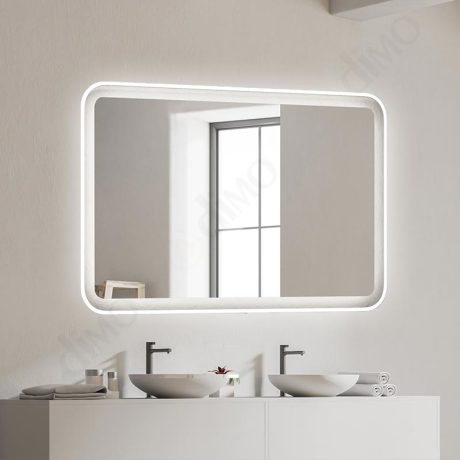
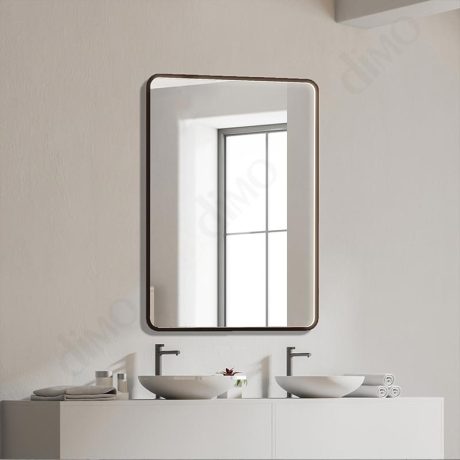
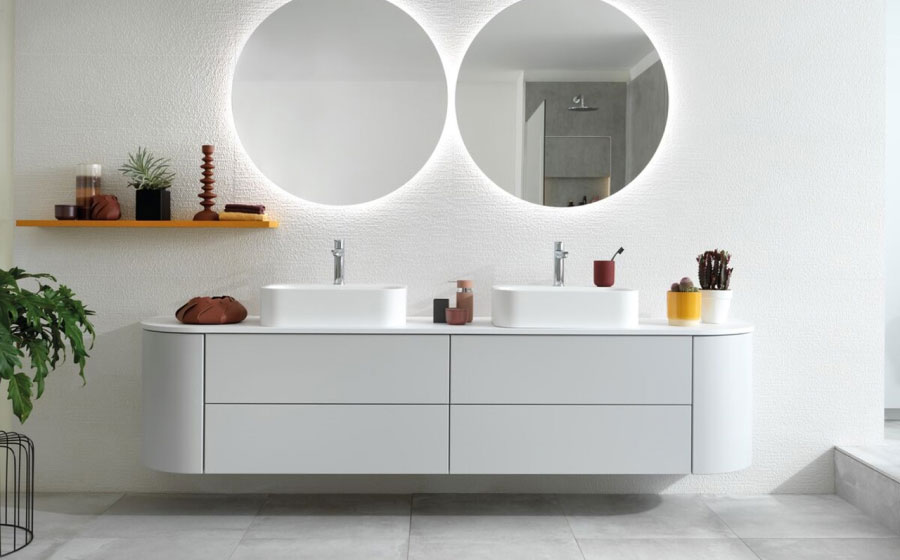
The era of the “Simple Square” is fading. Asymmetrical, pebble-shaped, and arched mirrors now dominate the high-end market. According to recent data from CCSupply, “Organic Silhouette” mirrors have seen a 45% increase in demand among interior architects in Europe and Canada.
Invisible Tech: The Minimalist Movement
The “Invisible Tech” trend refers to hiding all electronic components. 2026 models feature:
- Hidden Touch Zones: Controls that only illuminate when a hand approaches.
- Vibrating Glass Speakers: Using the mirror surface itself as a speaker diaphragm, eliminating the need for unsightly speaker grilles.
- Source: Raynova Journal – 2026 LED Mirror Design Trends
4. Technological Evolution: Smart Glass & Lighting
The core “lighting” function of LED mirrors has undergone a scientific revolution, focusing on Human-Centric Lighting (HCL).
Adaptive Circadian Lighting (HCL)
Modern mirrors in 2026 automatically adjust their Color Rendering Index (CRI) and color temperature throughout the day.
- 6:00 AM: 6500K (Cool Blue) to suppress melatonin and energize the user.
- 8:00 PM: 2700K (Warm Amber) with low blue-light emission to prepare the body for sleep.
This technology is now standard in mirrors targeting the “Wellness” demographic.
Next-Gen Anti-Fog and Surface Heating
Traditional defoggers were slow and energy-intensive. 2026 models utilize Graphene-based heating films. These films are paper-thin, heat up 3x faster than traditional wires, and consume 40% less electricity. Furthermore, they are integrated with humidity sensors, so the defogger only turns on when steam is actually detected.
5. Manufacturing & Sustainability: The Green Glass Movement
As global ESG (Environmental, Social, and Governance) regulations tighten, the manufacturing process for LED mirrors has become significantly “greener.”
Copper-Free and Lead-Free Silvering Processes
Standard mirrors of the past often used copper in the silvering process, leading to the “black edge” corrosion over time. 2026 premium mirrors use Advanced Multi-Layer Copper-Free Coatings.
- Durability: These mirrors are rated to last 3x longer in salty coastal environments.
- Eco-Impact: The removal of lead and copper makes the mirrors 100% recyclable at the end of their life cycle.
- Source: Marco News – Premium Smart LED Mirror Manufacturing Standards
China’s Shift to High-Precision Smart Manufacturing
Manufacturing hubs like Shahe (Hebei) and Foshan (Guangdong) have transitioned from mass-market production to “Industry 4.0” smart factories. These plants now use AI-driven laser cutting and automated LED mounting, ensuring that the light diffusion is perfectly uniform with zero “dark spots”—a common complaint in older, cheaper models.
6. Comparative Analysis & Data Tables
Table 1: Tech Evolution (2024 vs. 2026)
| Feature | 2024 Industry Standard | 2026 Industry Standard | Benefit |
|---|---|---|---|
| Connectivity | Bluetooth / App-Only | Matter over Thread | Seamless multi-brand sync |
| Lighting | Static CCT (3-color) | Dynamic RGBIC + HCL | Circadian rhythm support |
| Defogging | Resistance Wire | Graphene Film | 40% more energy efficient |
| Durability | Copper-Slivering | Eco-Copper-Free | 15+ years without black edges |
Table 2: Regional Market Growth in 2026
| Region | Primary Demand Driver | Target Demographic |
|---|---|---|
| North America | Smart Home Integration | Millennials & Gen Z Renovators |
| Europe | Energy Efficiency (ESG) | Eco-Conscious Luxury Hotels |
| Middle East | Bespoke Aesthetic / Gold Finishes | High-End Hospitality & Palaces |
| Asia-Pacific | Health Monitoring / Compact Tech | Urban Apartment Dwellers |
7. Market Forecast: 2026 Global Demand Analysis
The global LED Bathroom Mirror market is projected to reach $4.2 Billion by the end of 2026.
- North America: Driven by the “Smart Home” trend and aging-in-place renovations (where mirrors with integrated magnifying sections and high-brightness task lighting are popular).
- Europe: Focused on “Energy Label” compliance, with high demand for mirrors featuring PIR motion sensors to save electricity.
- Hospitality Sector: Hotels are the largest bulk buyers, increasingly requesting mirrors with integrated QR code displays for guest services and digital “Do Not Disturb” signs visible through the glass.

8. Conclusion: What to Expect in 2027
As we look toward 2027, the boundaries between a “mirror” and a “monitor” will continue to blur. We expect the first consumer-ready OLED-Integrated Mirrors to hit the market, where the bottom third of the mirror can display weather, news, or even YouTube tutorials for makeup and shaving without compromising the reflection.
The LED bathroom mirror has successfully transitioned from a luxury “extra” to a core component of the modern digital lifestyle.
9. References & Linked Sources
- LIFX: CES 2026: The Future of Smart Lighting and Mirrors
- MacRumors: LIFX Debuts Matter-over-Thread Bathroom Solutions
- Marco News: Global Manufacturing Standards for High-Precision Glass
- Raynova Journal: 2026 Design Trends: The Evolution of the Smart Bathroom
- CCSupply: How Light and Color are Redefining Bathroom Aesthetics
10.Extended Industry Insights
- Smart Home Integration: Beyond simple lighting, the 2026 mirror acts as a “Magic Mirror” interface, capable of displaying real-time data such as weather updates, news headlines, and stock quotes.
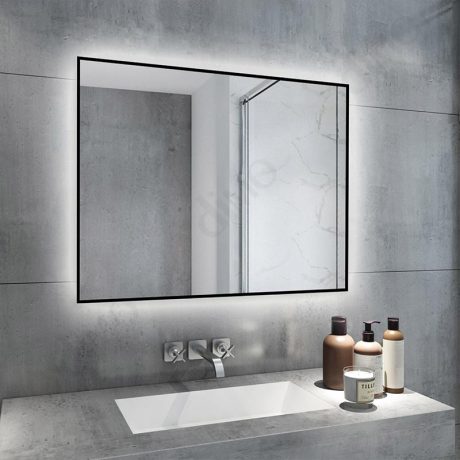
- The “Invisible” Trend: High-end designers are prioritizing mirrors that organize space rather than clutter it, using illuminated edges and architectural silhouettes to create a sense of weightlessness.
- Eco-Conscious Manufacturing: The market is shifting toward FSC-certified wood frames and energy-saving LED beads that consume roughly 32% less electricity than 2024 models.