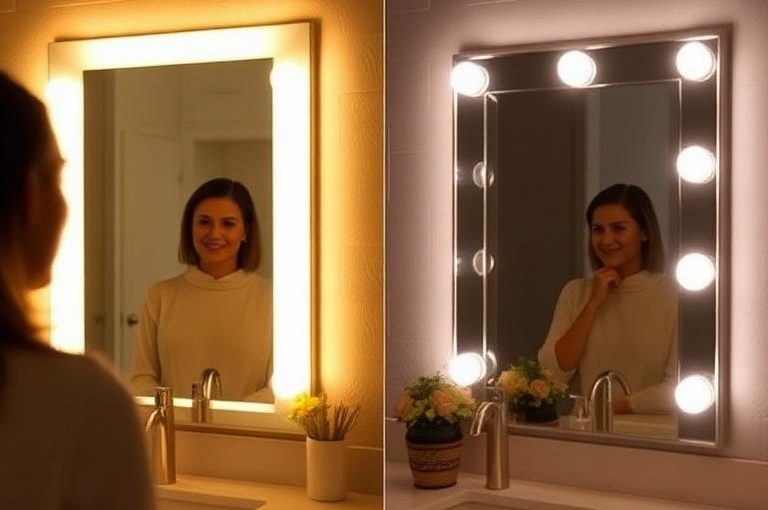
Lors de la conception ou de la rénovation d'une salle de bains moderne, l'éclairage est sans doute l'élément le plus important à maîtriser. Il détermine non seulement l'attrait visuel de l'espace, mais aussi sa fonctionnalité au quotidien. Chez Dimo Mirror, nous rencontrons fréquemment des architectes d'intérieur, des entrepreneurs et des propriétaires qui ont du mal à s'y retrouver dans la complexité de la technologie des miroirs lumineux. La question la plus récurrente que nous recevons lors de nos consultations concerne la différence structurelle et fonctionnelle entre les miroirs éclairés par l'avant et les miroirs rétroéclairés. Faire le mauvais choix peut conduire à un éclairage de toilettage inadéquat, à des ombres dures ou à une esthétique qui ne correspond tout simplement pas à votre vision architecturale.
Dimo Home ProductsLtd est un fabricant professionnel de miroirs de salle de bains et un fournisseur de miroirs en gros depuis 2009. En se concentrant sur l'industrie des miroirs, Dimo a acquis une grande expérience dans l'ingénierie et la fabrication de miroirs haut de gamme. Miroirs LEDmiroirs de salle de bains d'hôtel, armoires de toilette, miroirs de maquillageet d'autres produits miroirs spécialisés. Au cours des dix dernières années, nous avons aidé nos clients à économiser beaucoup de temps et d'argent en identifiant correctement leurs besoins exacts en matière d'éclairage avant l'achat. D'après notre expérience, comprendre la différence entre les miroirs éclairés par l'avant et les miroirs rétroéclairés est l'étape fondamentale pour obtenir un design de salle de bain parfait.
Dans ce guide qui fait autorité, nous disséquerons les disparités en matière d'ingénierie, d'application et d'esthétique de ces deux technologies d'éclairage dominantes. Nous étudierons comment la puissance lumineuse, la diffusion de la lumière et la conception structurelle influent sur l'expérience de l'utilisateur, en vous apportant les connaissances d'expert nécessaires pour sélectionner le miroir LED de salle de bains idéal pour votre projet spécifique.
Table des matières
- Comprendre les rétroviseurs à éclairage frontal : Précision et clarté
- Comprendre les miroirs rétro-éclairés : Ambiance et profondeur
- Tableau récapitulatif : Différence entre les miroirs éclairés par l'avant et les miroirs rétroéclairés
- Explication des principales différences techniques
- Comment choisir le bon miroir pour votre espace
- Innovations Dimo Mirror : Combiner les technologies
- Foire aux questions (FAQ)
- Références de l'industrie
Comprendre les rétroviseurs à éclairage frontal : Précision et clarté
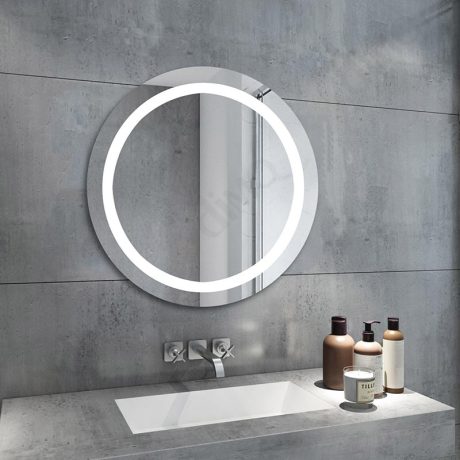
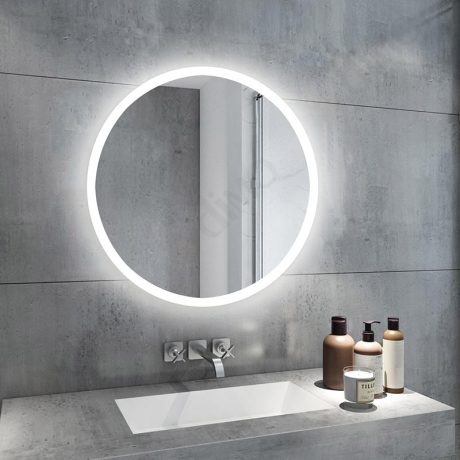
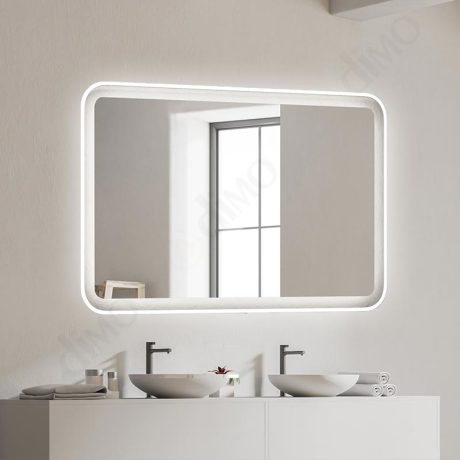
Pour bien comprendre la différence entre les miroirs éclairés par l'avant et les miroirs rétroéclairés, il faut d'abord examiner les mécanismes de la technologie d'éclairage par l'avant. Un miroir à éclairage frontal comporte des bandes lumineuses LED qui brillent directement vers l'extérieur en direction de l'utilisateur. Pour ce faire, un bord ou un motif géométrique spécifique est généralement sablé sur la face du verre et des diffuseurs en acrylique dépoli sont placés sur les canaux de LED. La lumière traverse ce canal dépoli et projette une lumière vive et uniforme directement sur le visage de la personne qui se tient devant le miroir.
D'après notre expérience dans la conception de miroirs de maquillage de qualité professionnelle, la technologie de l'éclairage frontal est la championne incontestée de l'éclairage de travail. Comme l'éclairage provient du plan frontal du verre et se propage vers l'avant, il élimine efficacement les ombres sombres sous les yeux, le nez et le menton qui sont généralement causées par les plafonniers. Nous recommandons les configurations à éclairage frontal pour les vanités des salles de bains principales, les cabines d'essayage et tout environnement où l'on procède à un toilettage méticuleux, au rasage ou à l'application de produits cosmétiques.
Comprendre les miroirs rétro-éclairés : Ambiance et profondeur
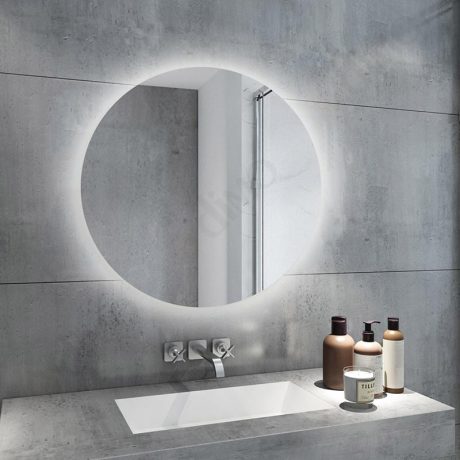
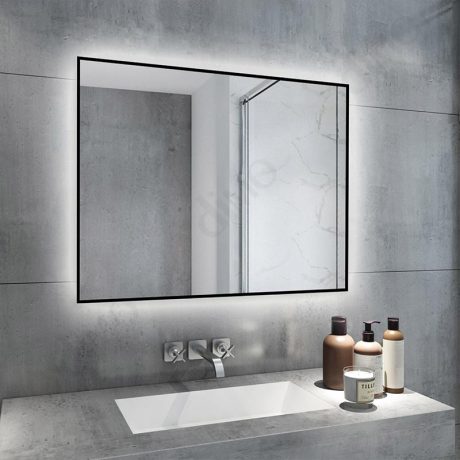
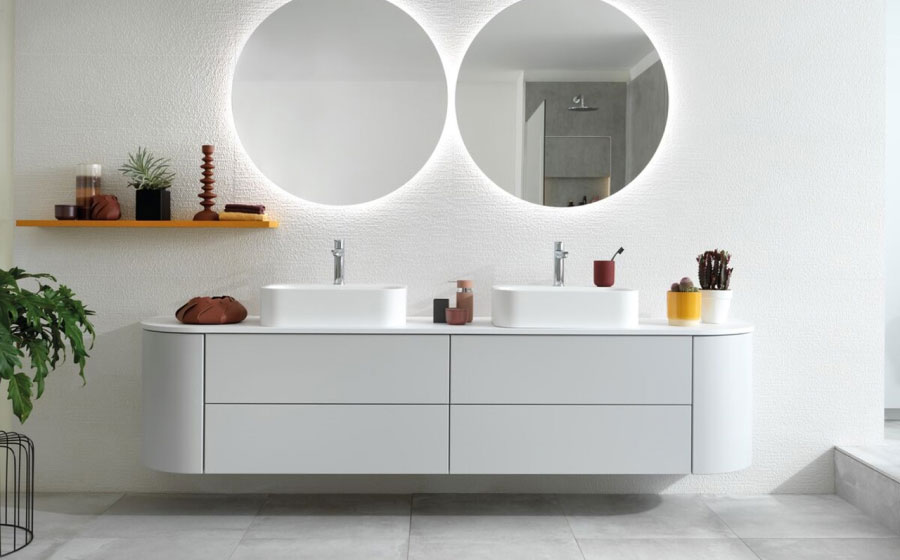
À l'inverse, lorsqu'on évalue la différence entre les miroirs éclairés par l'avant et les miroirs rétroéclairés, on s'aperçoit que le design rétroéclairé a un objectif architectural totalement différent. Dans un miroir rétro-éclairé, les bandes de LED sont placées derrière la glace du miroir, orientées vers l'arrière du mur. Le miroir lui-même agit comme un bouclier solide, forçant la lumière à se répandre sur les bords, créant un effet de halo doux et lumineux sur la surface de montage.
Cette méthode d'éclairage indirect ne projette pas de lumière vive sur le visage de l'utilisateur. Elle fournit plutôt un éclairage ambiant qui adoucit l'atmosphère de la pièce. Un miroir pleine longueur ou un miroir de courtoisie rétroéclairé ajoute une profondeur tridimensionnelle à un espace, donnant l'impression que le miroir flotte sur le mur. Nous fournissons fréquemment ces configurations aux hôtels de charme, aux restaurants haut de gamme et aux salles d'eau résidentielles, où la création d'un environnement luxueux, sombre et relaxant prime sur les tâches de toilettage précises. Comprendre cette différence fondamentale entre les miroirs éclairés par l'avant et les miroirs rétroéclairés permet de s'assurer que l'on n'installe pas par inadvertance un éclairage d'ambiance là où l'on a besoin d'un éclairage de travail.
Tableau récapitulatif : Différence entre les miroirs éclairés par l'avant et les miroirs rétroéclairés
Afin de fournir une vue d'ensemble claire et professionnelle, nous avons compilé un tableau récapitulatif détaillant les différences opérationnelles et esthétiques entre les miroirs éclairés par l'avant et les miroirs rétroéclairés.
| Caractéristique | Rétroviseurs avant éclairés | Miroirs rétro-éclairés |
|---|---|---|
| Objectif principal | Éclairage de travail (maquillage, rasage, soins de précision) | Éclairage d'ambiance (ambiance, esthétique, éclairage doux) |
| Direction de la lumière | Projette directement vers l'avant sur le visage de l'utilisateur | Projeté vers l'arrière sur le mur, débordant sur les bords. |
| Réduction des ombres | Excellent ; élimine pratiquement les ombres du visage | Médiocre ; dépend des autres lumières de la pièce pour l'éclairage du visage |
| Effet esthétique | Apparence élégante, intégrée et hautement fonctionnelle | Dramatique, luxueux, crée un effet de halo "flottant". |
| Emplacements idéaux | Salles de bains principales, coiffeuses, dressings | Salle d'eau, couloirs, points d'intérêt décoratifs |
| Type de diffuseur | Canaux en acrylique dépoli intégrés dans la face du miroir | La lumière se diffuse contre la surface du mur derrière le miroir |
Explication des principales différences techniques
Au-delà des définitions de base, la différence entre les miroirs éclairés par l'avant et les miroirs rétroéclairés s'étend à l'ingénierie électrique, à la conception spatiale et à l'utilisation quotidienne. En tant que premier fournisseur de miroirs en gros, Dimo Home Products Ltd évalue strictement ces paramètres techniques pour garantir la satisfaction de ses clients.
Direction de l'éclairage et ombrage
Le concept de "lux" (lumens par mètre carré) est essentiel ici. Un miroir éclairé par l'avant fournit une forte concentration de lux directement au sujet. En flanquant le visage d'une lumière directe, il contrebalance les ombres dures projetées vers le bas par les lumières encastrées dans le plafond. À cet égard, la différence entre les miroirs à éclairage frontal et les miroirs rétroéclairés est radicale. Un miroir rétroéclairé éclaire le mur, ce qui signifie que la lumière doit rebondir sur le mur et revenir dans la pièce pour atteindre l'utilisateur. Ce rebond indirect réduit considérablement la luminosité sur le visage de l'utilisateur, ce qui rend les tâches minutieuses difficiles sans éclairage supplémentaire.
Impact esthétique et perception spatiale
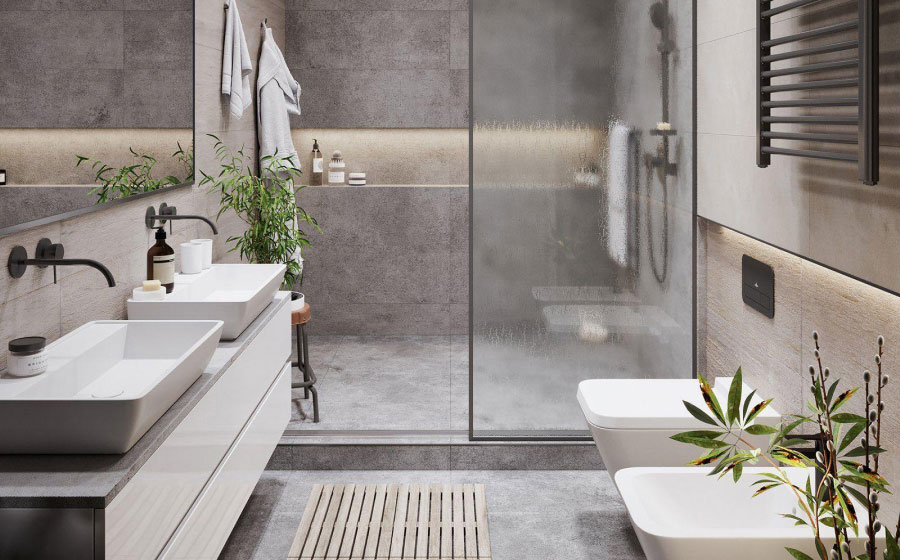
Les architectes d'intérieur utilisent la différence entre les miroirs éclairés par l'avant et les miroirs rétroéclairés pour modifier l'atmosphère d'une pièce. Les miroirs rétroéclairés sont parfaits pour mettre en valeur les surfaces murales texturées, telles que les carreaux de pierre naturelle, les panneaux de bois ou le papier peint de luxe. Le halo lumineux s'étend sur la texture, accentuant les détails architecturaux de la salle de bains. Les miroirs à éclairage frontal, quant à eux, attirent le regard sur le miroir lui-même. Les bordures lumineuses agissent comme un cadre géométrique distinct, offrant une précision nette, ultramoderne et clinique qui s'associe parfaitement à des accessoires minimalistes tels qu'un radiateur sèche-serviettes élégant ou une douche en verre sans cadre.
Installation et conception du châssis
Du point de vue de la fabrication, la différence structurelle entre les miroirs à éclairage frontal et les miroirs rétroéclairés dicte la conception de leur châssis. Les miroirs à éclairage frontal exigent que les bandes de LED soient montées vers l'avant, ce qui nécessite un canal réfléchissant interne pour faire passer la lumière de manière homogène à travers les sections de verre dépoli sans faire apparaître les points individuels des LED (hotspotting). Les miroirs rétro-éclairés sont généralement dotés d'un châssis en aluminium ou en PVC légèrement plus profond, afin d'assurer une distance suffisante entre les LED et le mur pour garantir un halo de lumière lisse et diffus. Dans certaines installations complexes, telles qu'une armoire de toilette intégrée, l'équilibre entre ces exigences de châssis et l'espace de stockage nécessite une ingénierie avancée.
Comment choisir le bon miroir pour votre espace
Après avoir établi la différence entre les miroirs à éclairage frontal et les miroirs rétro-éclairés, le processus de sélection consiste à évaluer les besoins fonctionnels de votre pièce. D'après notre expérience, l'erreur la plus fréquente consiste à choisir un miroir rétroéclairé comme seule source de lumière dans une salle de bains destinée à la toilette quotidienne.
Nous recommandons un miroir LED de salle de bains à éclairage frontal si la coiffeuse est l'endroit principal pour se maquiller, mettre ses lentilles de contact ou se raser. L'éclairage direct n'est pas négociable pour ces tâches. À l'inverse, si vous aménagez une salle d'eau pour les invités, où les visiteurs se lavent les mains et vérifient brièvement leur apparence, un miroir rétroéclairé crée un impact visuel beaucoup plus impressionnant et spectaculaire. Si vous aménagez un dressing, un miroir pleine longueur éclairé par l'avant garantit que les couleurs de vos vêtements sont restituées avec précision, sans ombres portées.
Innovations Dimo Mirror : Combiner les technologies
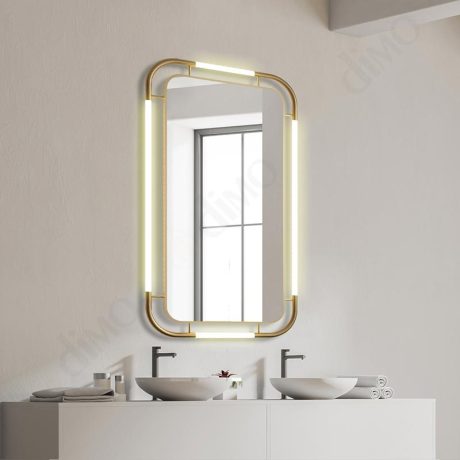
Au Miroir DimoNous sommes conscients que nos clients souhaitent souvent bénéficier à la fois de la fonctionnalité inégalée de l'éclairage frontal et de l'ambiance luxueuse du rétroéclairage. C'est pourquoi nos gammes de produits avancés, en particulier nos collections de miroirs intelligents, intègrent souvent des technologies à double éclairage. En plaçant des canaux LED indépendants sur un châssis unique, nous fournissons des miroirs qui offrent à la fois un bord dépoli à l'avant et un halo d'ambiance à l'arrière. Ceux-ci peuvent être contrôlés indépendamment par des capteurs tactiles, ce qui permet à l'utilisateur de passer sans effort d'un éclairage de travail lumineux le matin à un éclairage d'ambiance doux le soir.
En outre, Dimo intègre des technologies auxiliaires dans ces unités, notamment des tampons de désembuage intégrés, des haut-parleurs Bluetooth et des commandes de température de couleur réglable (CCT) allant de 3000K à 6000K pour la lumière du jour. Que vous choisissiez un miroir autonome ou une armoire à glace de grande capacité, comprendre la différence entre les miroirs éclairés par l'avant et les miroirs rétroéclairés permet de s'assurer que le produit final que nous livrons s'aligne parfaitement sur votre style de vie et vos aspirations en matière de design.
Foire aux questions (FAQ)
Références de l'industrie
1. Société d'ingénierie de l'éclairage (IES). (2024). "Lignes directrices pour la conception de l'éclairage dans les salles de bains résidentielles et d'accueil.
2. Association internationale des concepteurs d'éclairage (IALD). (2023). "L'éclairage de la tâche par rapport à l'éclairage ambiant dans les environnements à forte humidité".