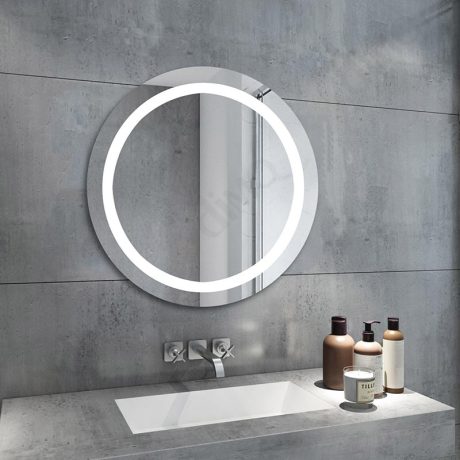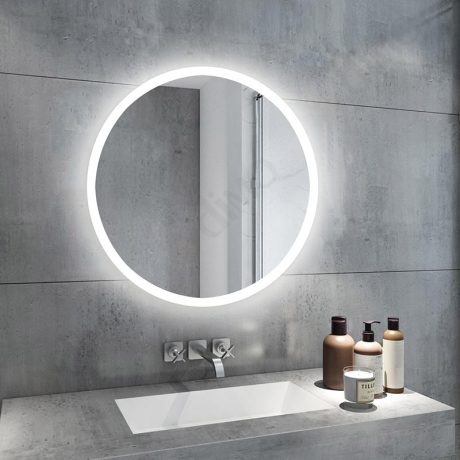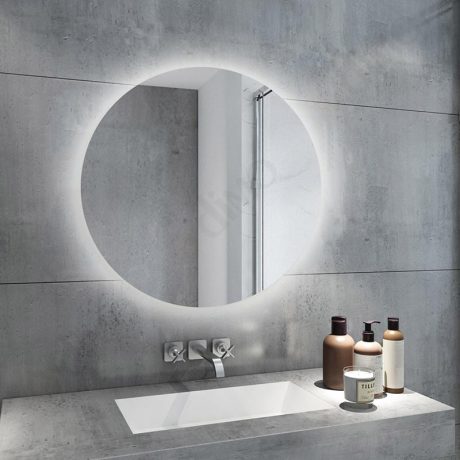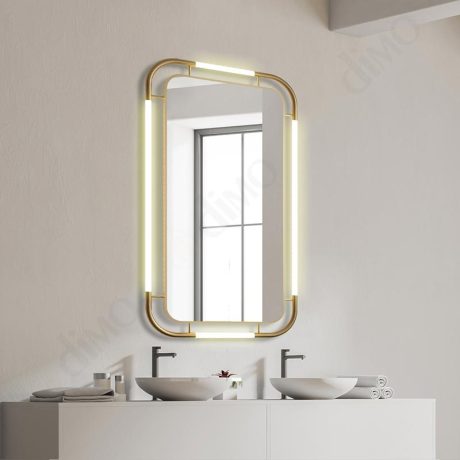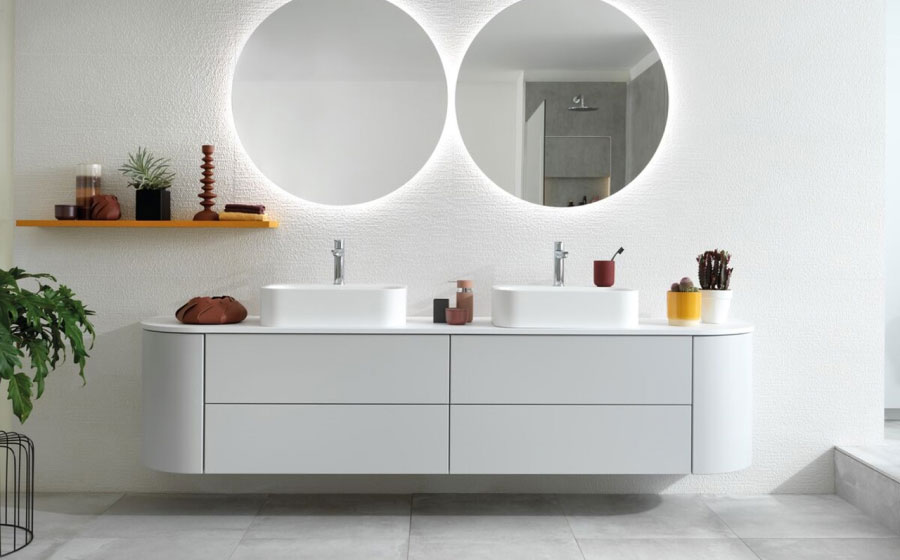
J'ai passé plus de dix ans dans des ateliers de découpe du verre et dans des salles de négociation avec des responsables des achats dans le secteur de l'hôtellerie. S'il est une chose que j'ai apprise, c'est bien celle-ci : un miroir “bon marché” est souvent l'erreur la plus coûteuse qu'une entreprise puisse commettre.
Lorsque vous cherchez miroirs de courtoisie en gros, Il est facile de se laisser aveugler par un catalogue brillant et un prix unitaire très bas. Mais une fois que ces miroirs sont installés dans 300 chambres d'hôtel et que les bords commencent à se corroder au bout de six mois, l'économie initiale disparaît instantanément.
Dans ce guide, je ne m'attarderai pas sur les détails. Je veux vous expliquer comment vous pouvez protéger votre projet en 2026 en vous penchant sur ce qui compte vraiment - l'ingénierie cachée qui détermine si vos miroirs dureront une décennie ou seulement une saison.
Table des matières
La “taxe cachée” des miroirs bon marché
Je me souviens d'un projet que nous avons géré en 2019 pour un centre de villégiature en Floride. À l'origine, les miroirs avaient été achetés auprès d'un fournisseur ayant fait l'objet d'un appel d'offres restreint. En l'espace de 14 mois, près de 40% des chambres d'hôtes présentaient des miroirs aux “bords noirs”. Le coupable ? Un miroir argenté standard à base de cuivre qui ne supportait pas l'air salin et humide. Il a fallu les arracher tous, rafistoler les murs et tout commander à nouveau.
C'est ce que j'appelle la “taxe cachée”.”
La plupart des commerce de gros Miroirs LED utilisent une couche d'argent, mais c'est la façon dont cette couche est protégée qui fait varier le coût. En 2026, vous devriez vous contenter de rien de moins que Miroirs en argent sans cuivre de 5 mm. En éliminant le cuivre du processus, nous éliminons le principal catalyseur de l'oxydation. Lorsque nous les testons dans une chambre à brouillard salin, conformément à la norme Normes ASTM B117, Ils ont une durée de vie trois fois supérieure à celle des miroirs traditionnels. Si votre fournisseur ne parle pas de PVD (dépôt physique en phase vapeur) ou une peinture arrière imperméable à double couche, ils vous vendent une bombe à retardement.

L'indice de référence technique 2026 : Les exigences des acheteurs modernes
L'éclairage a évolué. Nous ne nous contentons plus de placer une bande LED derrière une vitre. Si vous vous adressez à une clientèle résidentielle haut de gamme ou à des hôtels de charme, vos clients recherchent la précision visuelle.
L'IRC n'est plus le seul critère
Tout le monde parle de IRC (Indice de rendu des couleurs). Oui, elle doit être de 90+. Mais le vrai conseil ? Renseignez-vous sur les Valeur R9. Il mesure la capacité de la lumière à restituer les tons rouges saturés, essentiels pour les tons naturels de la peau et l'application du maquillage. Un IRC élevé avec un R9 faible donne l'impression que les gens sont “délavés” ou malades dans le miroir. Pour 2026, nous visons un R9 > 50.
Le protocole Matter et l'intégration intelligente
Smiroirs de marbre était autrefois un gadget. Aujourd'hui, avec l'essor des Protocole de l'article 1.3, L'intégration de la maison intelligente est en train de devenir une demande standard dans les appels d'offres des grossistes. Vos miroirs peuvent-ils communiquer avec le système d'éclairage intelligent de la salle de bains ? Peuvent-ils être atténués par un concentrateur central ? Si votre fabricant de miroirs intelligents ne se prépare pas à la compatibilité multiplateforme, votre inventaire sera obsolète d'ici 2027.
Sourcing Intelligence : Alignement stratégique
Je vois souvent des acheteurs traiter tous les fournisseurs de la même manière. C'est une erreur. Vous devez aligner l'ADN de votre fournisseur sur les besoins de votre projet.
| Critères d'évaluation | Société commerciale | Distributeur local | Source Factory (par exemple, DIMO) |
|---|---|---|---|
| Tarification à l'unité | Moyen (marges ajoutées) | Haut (y compris le stockage) | Optimisé (coût direct) |
| Personnalisation | Très limité | Aucun (stock uniquement) | Liberté totale OEM/ODM |
| Support technique | Relais tiers | De base | Accès direct à l'ingénierie |
| Lead Times | Variable | Rapide (si en stock) | Une production prévisible |
| Meilleur pour | Petites commandes de lots mixtes | Besoins immédiats en matière de commerce de détail | Projets hôteliers / Marques |
Si vous êtes propriétaire d'une marque et que vous cherchez miroirs de courtoisie personnalisés, Une société commerciale aura probablement du mal à comprendre les nuances techniques de vos dessins de CAO. Vous voulez une équipe qui respire le verre et l'aluminium.

Atténuation des risques : L'audit d'usine 2.0
Si vous avez l'occasion de visiter une usine - ou même si vous faites une visite virtuelle - arrêtez-vous à la salle d'exposition. La salle d'exposition a pour but d'impressionner. Demandez plutôt à voir le Laboratoire d'essais.
Voici ma liste de contrôle “défensive” pour votre prochain audit :
- Aluminium Épaisseur du cadre : En 2026, certaines usines amincissent l'aluminium pour réduire les coûts. Tout ce qui est inférieur à 1,2 mm risque de se déformer avec le temps, notamment en raison de la chaleur générée par les bandes LED et les coussins de désembuage.
- Vérification de la certification : Ne vous contentez pas de regarder l'autocollant UL ou ETL. Notez le numéro de fichier et vérifiez-le sur le Produit UL iQ™ base de données. J'ai vu d'innombrables cas où une usine “emprunte” un certificat à une autre entreprise.
- Marque du conducteur : Le pilote de LED est le “cœur” du miroir. Nous utilisons des marques certifiées comme Mean Well parce qu'elles supportent les fluctuations de tension sans scintiller. Si le pilote est une boîte noire générique sans marquage, fuyez.
Logistique et au-delà : Protéger vos actifs
L'expédition de verre à travers l'océan est un cauchemar si elle n'est pas effectuée correctement. C'est la première cause de friction entre entreprises.
J'ai vu arriver des conteneurs dont la moitié des miroirs étaient brisés parce que le fournisseur avait utilisé du polystyrène bon marché. En 2026, nous utilisons Emballage standard ISTA-6. Cela implique des tests rigoureux de vibration et de chute. Nous utilisons des panneaux en nid d'abeille de haute densité et des protections de bords renforcées.
Une chose que nous faisons différemment chez DIMO est ce que j'appelle le “Buffer Stocking”. Pour les miroirs de salle de bain en gros nous suggérons souvent d'expédier 1,5% supplémentaire de l'inventaire. Pourquoi ? Parce que même avec le meilleur emballage, un conducteur de chariot élévateur au port de destination peut avoir une mauvaise journée. Le fait de disposer d'un tampon sur place permet d'éviter que le calendrier d'installation ne s'arrête à cause de trois miroirs cassés.
Perspectives d'avenir : ESG et conformité
Le développement durable n'est plus un “avantage”. En Amérique du Nord et en Europe, les exigences ESG (environnementales, sociales et de gouvernance) sont de plus en plus strictes.
Nous assistons à une évolution massive vers Revêtements sans PFAS et des peintures sans plomb. Si vous répondez à un appel d'offres pour un projet d'une grande chaîne d'hôtels comme Hilton ou Marriott, celle-ci finira par vous demander votre rapport sur l'impact environnemental. Choisir un fournisseur qui utilise de l'aluminium recyclable et des composants LED à haut rendement énergétique, ce n'est pas seulement “sauver la planète”, c'est aussi s'assurer que votre entreprise reste un partenaire viable sur un marché réglementé.
Foire aux questions (Les gens posent aussi des questions)
Q : Comment puis-je savoir si un miroir de gros est vraiment “sans cuivre” ?
R : Il n'est pas possible de le savoir simplement en regardant. Vous devez demander une Test d'adhésion par hachures croisées et un rapport de Essai au brouillard salin (ISO 9227 ou ASTM B117) rapport. Miroirs sans cuivre sont généralement dotés d'une peinture protectrice distincte, de couleur grise ou bleue, au lieu du brun rougeâtre que l'on trouve dans les modèles plus anciens.
R : Il n'est pas possible de le savoir simplement en regardant. Vous devez demander une Test d'adhésion par hachures croisées et un rapport de Essai au brouillard salin (ISO 9227 ou ASTM B117) rapport. Miroirs sans cuivre sont généralement dotés d'une peinture protectrice distincte, de couleur grise ou bleue, au lieu du brun rougeâtre que l'on trouve dans les modèles plus anciens.
Q : Quel est le délai de livraison pour les commandes en gros personnalisées en 2026 ?
R : En général, pour un conteneur complet, il faut compter 30 à 45 jours pour la production. Les personnalisations impliquant du verre spécialisé ou de la technologie intelligente peuvent ajouter 10 jours. Prévoyez toujours un délai de 3 à 4 semaines pour le fret maritime, en fonction de votre port.
R : En général, pour un conteneur complet, il faut compter 30 à 45 jours pour la production. Les personnalisations impliquant du verre spécialisé ou de la technologie intelligente peuvent ajouter 10 jours. Prévoyez toujours un délai de 3 à 4 semaines pour le fret maritime, en fonction de votre port.
Q : Puis-je intégrer ces miroirs de courtoisie au PMS (Property Management System) d'un hôtel ?
R : Oui, mais cela nécessite une Contrôleur RS485 ou Zigbee/Matter. Nous avons travaillé avec les développeurs pour nous assurer que l'éclairage et le désembuage du miroir puissent être contrôlés de manière centralisée afin d'économiser de l'énergie lorsque la pièce est inoccupée.
R : Oui, mais cela nécessite une Contrôleur RS485 ou Zigbee/Matter. Nous avons travaillé avec les développeurs pour nous assurer que l'éclairage et le désembuage du miroir puissent être contrôlés de manière centralisée afin d'économiser de l'énergie lorsque la pièce est inoccupée.
Q : L'indice de protection IP44 est-il suffisant pour un miroir de salle de bains ?
R : Pour la plupart des miroirs de courtoisie, IP44 est la norme dans l'industrie - elle protège contre les éclaboussures provenant de toutes les directions. Toutefois, pour les miroirs installés dans des douches à l'italienne ou dans des environnements à forte teneur en vapeur, nous recommandons d'opter pour le modèle IP65 pour les composants électroniques.
R : Pour la plupart des miroirs de courtoisie, IP44 est la norme dans l'industrie - elle protège contre les éclaboussures provenant de toutes les directions. Toutefois, pour les miroirs installés dans des douches à l'italienne ou dans des environnements à forte teneur en vapeur, nous recommandons d'opter pour le modèle IP65 pour les composants électroniques.
Références et normes industrielles
- ASTM B117 : Pratique standard pour l'utilisation d'un appareil de brouillard salin. Voir l'étalon
- UL 962 : Standard for Household and Commercial Furnishings (norme de sécurité pour les miroirs LED). Voir l'annuaire UL
- IEC 60529 : Degrés de protection des boîtiers (code IP). Voir les normes CEI
- Protocole sur la matière : La base des objets connectés. Explorer la matière
- Série 6 de l'ISTA : Tests de performance des membres pour l'emballage des produits d'Amazon et de commerce électronique. Lignes directrices de l'ISTA
À PROPOS DE L'AUTEUR
Frank Chan est conseiller principal en produits et directeur des ventes chez Dimo, avec plus de 10 ans d'expérience dans le domaine de l'éclairage LED haut de gamme. Il a supervisé la conformité et l'installation de plus de 200 projets en Amérique du Nord. Frank se consacre à aider les acheteurs B2B à naviguer dans les codes électriques complexes afin de garantir la réussite à long terme des projets.
Frank Chan est conseiller principal en produits et directeur des ventes chez Dimo, avec plus de 10 ans d'expérience dans le domaine de l'éclairage LED haut de gamme. Il a supervisé la conformité et l'installation de plus de 200 projets en Amérique du Nord. Frank se consacre à aider les acheteurs B2B à naviguer dans les codes électriques complexes afin de garantir la réussite à long terme des projets.