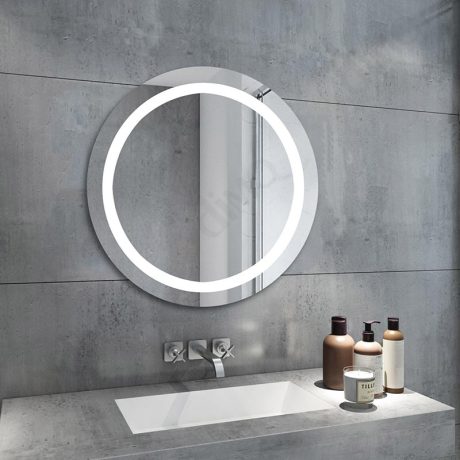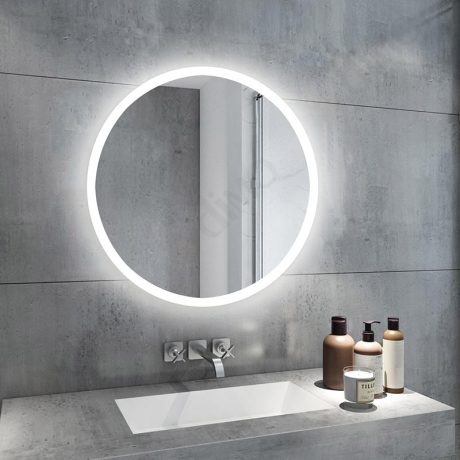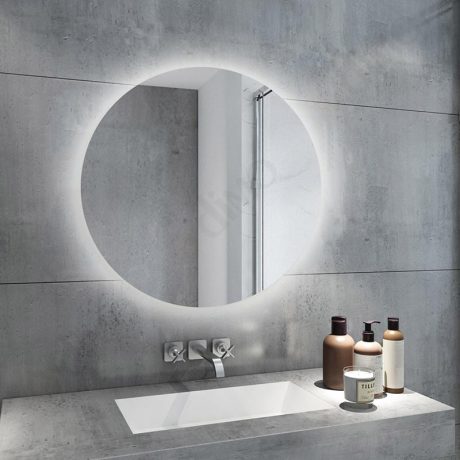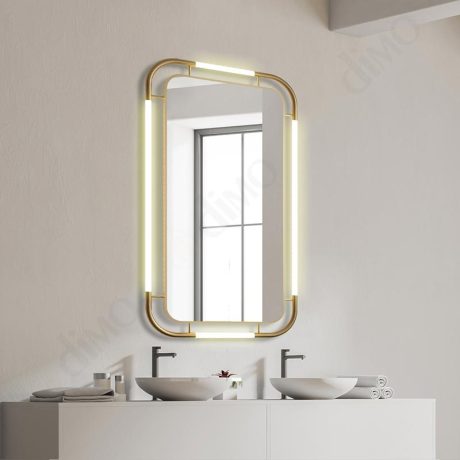
Specchio LED per il bagno Fornitore all'ingrosso

Commercial-Bathroom-Mirrors-Guide-ADA-Compliance-&-TCO

Commercial Bathroom Mirrors Guide: ADA Compliance & TCO

The humble restroom mirror does a lot of heavy lifting. When you walk into a high-end hotel lobby, a bustling airport, or a newly renovated hospital, the mirror is often the first thing that anchors the space. Yet, in my years of helping commercial clients source architectural hardware, I have seen too many project managers treat mirrors as an afterthought. They buy a truckload of standard glass, slap it on the wall, and wonder why they are dealing with silver spoilage, shattered glass, or worse—an ADA compliance lawsuit—less than a year later.

A DIMO, we have spent over a decade manufacturing and supplying commercial washroom equipment. We know that choosing the right glass is not just about aesthetics. It is a calculated balance of structural engineering, risk mitigation, and long-term asset management. If you are a general contractor, a property manager, or an interior architect, this guide will break down what you actually need to look for when sourcing specchi per bagno commerciali.

Indice dei contenuti

Beyond Reflection: The Reality of High-Traffic Restrooms

Residential mirrors are designed for gentle use. They live in low-humidity environments and get cleaned with a soft microfiber cloth once a week. Commercial restroom mirrors face a completely different reality. They endure constant moisture, aggressive chemical cleaners, accidental impacts, and, unfortunately, occasional vandalism.
We categorize commercial spaces into three distinct traffic zones to help our clients choose the right specs:
  • High-Traffic / Public Zones: Airports, stadiums, and train stations. Here, durability and safety trump everything else. You need unbreakable surfaces and tamper-proof mounting.
  • Medium-Traffic / Institutional Zones: Office buildings, schools, and healthcare facilities. These spaces require a mix of strict ADA compliance, easy maintenance, and clean, professional aesthetics.
  • Low-Traffic / Hospitality Zones: Boutique hotels, fine dining restaurants, and corporate executive suites. Design, lighting integration, and premium finishes take center stage here.
If you misjudge your traffic zone, your maintenance budget will take a hit. A standard float glass mirror installed in a middle school restroom will not survive the first semester. It is that simple.
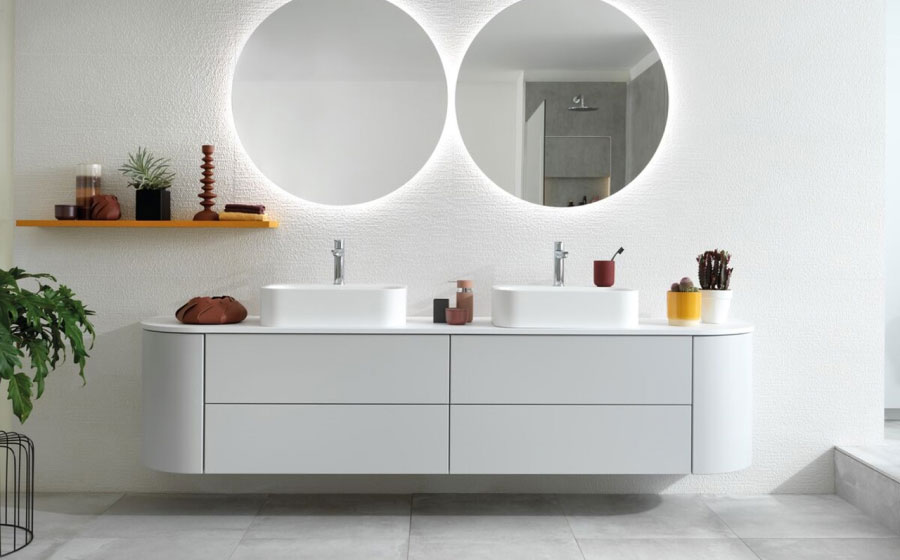
commercial-bathroom-mirrors-with-LED-backlit-for-hotel-restroom

Crucial Compliance: Mastering ADA Restroom Mirror Standards

Let’s talk about the legalities. If your building opens to the public, it must comply with the Americans with Disabilities Act (ADA). Mirror compliance is one of the easiest things for building inspectors to flag, and it is a common trigger for costly retrofits.
According to the 2010 ADA Standards for Accessible Design (Section 603.3), mirrors located above lavatories or countertops must be installed with the bottom edge of the reflecting surface no higher than 40 inches (1015 mm) above the finish floor. If the mirror is not located over a lavatory, the bottom edge must be no higher than 35 inches (890 mm) above the floor.
The reasoning behind this is straightforward. A person using a wheelchair needs a clear line of sight. However, installing a massive vertical mirror down to the 40-inch mark does not always fit the design language of a modern luxury restroom.
This is where ADA compliant restroom mirrors like adjustable tilt mirrors come into play. A fixed-angle or adjustable tilt mirror allows you to mount the frame at a standard height while angling the glass downward. Wheelchair users get a full view, while standing guests can still use the mirror comfortably. When we work with hospitals or care facilities, we almost always steer them toward stainless steel channel-framed tilt mirrors. It solves the accessibility puzzle without forcing the architect to compromise the entire wall layout.
ADA compliant commercial restroom mirror height installation diagram - 40 inches maximum over lavatory

Material Science: Sourcing for Longevity and Vandal Resistance

When you look at a mirror, you are actually looking through glass at a microscopic layer of silver or aluminum backing. In humid commercial restrooms, moisture can seep behind the edges of the glass. This causes the silver layer to oxidize and peel away—a defect known as “clouding” or “desilvered edges.”
To avoid this, commercial-grade mirrors utilize a copper-free silvering process sealed with tough, moisture-resistant backing paints. But the substrate itself matters just as much.
  • Tempered Glass: This is safety glass heated and cooled rapidly to increase its strength. If it breaks, it crumbles into small, blunt pebbles instead of sharp shards. It is highly recommended for gyms, locker rooms, and office buildings.
  • Laminated Glass: Think of this as a sandwich. Two layers of glass hold a plastic interlayer (PVB) between them. If a rogue object hits it, the glass cracks but stays bonded to the plastic. It is brilliant for high-security areas or schools where a broken mirror cannot become a weapon.
  • Polished Stainless Steel: When you cannot afford even a 1% chance of broken glass, you drop glass entirely. Highly polished Type 304 stainless steel mirrors are completely unbreakable. They are the gold standard for correctional facilities, highway rest stops, and remote public parks.
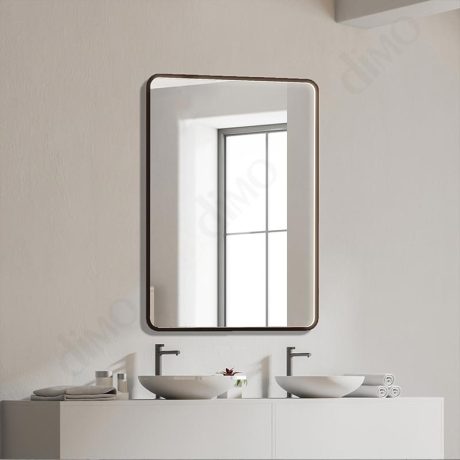
We always tell our clients to look at the frame engineering too. An angle-frame mirror offers a sleek, modern look because the frame forms a tight border around the glass. A channel-frame mirror, on the other hand, uses a wider, heavy-duty U-shaped steel border with theft-resistant concealed mounting screws. If you are worried about people trying to pry the mirror off the wall, go with a channel frame.

 
commercial-bathroom-mirrors-construction

The DIMO Experience: Sourcing for a Major Transit Hub

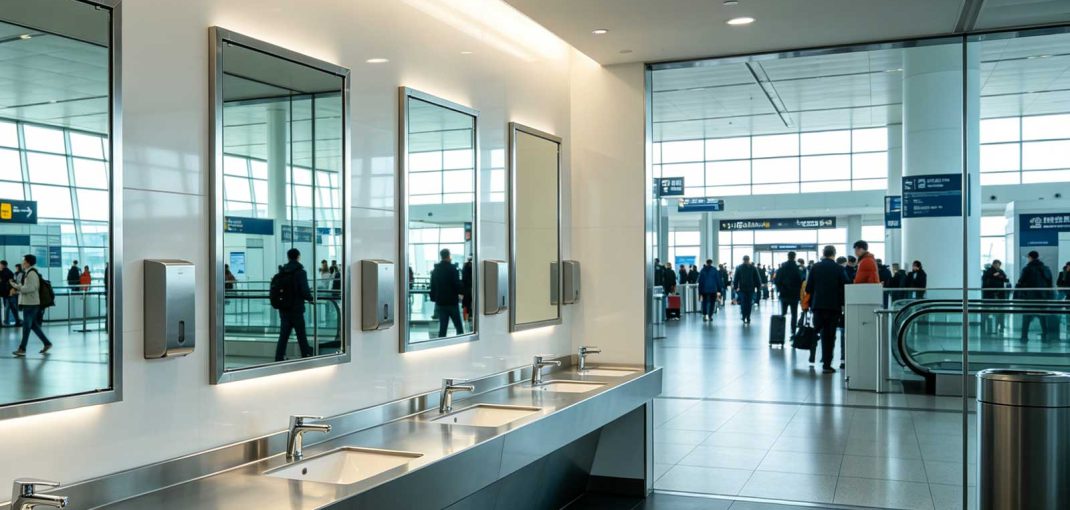
A few years ago, we won a contract to supply washroom equipment for a major regional airport terminal expansion. The initial architectural drawing called for standard frameless vanity mirrors glued directly to the drywall. The design looked gorgeous on paper—clean, minimalist, and airy.
We stepped in and flagged a major issue. Airport restrooms are high-moisture environments subjected to round-the-clock industrial cleaning chemicals. Glued frameless mirrors would suffer from edge turn and desilver within 18 months due to chemical seepage. Plus, the constant vibration from nearby luggage carousels and heavy foot traffic risked loosening the adhesive over time.
We worked with the engineering team to pivot the spec. We supplied custom-sized, heavy-duty vandal-resistant mirrors built with 1/4-inch tempered glass, backed by a shock-absorbing water-resistant cushion, and encased in a 15-gauge stainless steel architectural channel frame.
The result? The airport terminal has been operating at full capacity for over four years now. The maintenance crew hasn’t had to replace a single piece of glass, and the frames look as pristine as the day they were bolted to the wall studs. That is the difference between buying a consumer product and investing in a true commercial asset.
commercial-bathroom-mirrors-manufacturered-by-dimo

Analyzing the Total Cost of Ownership (TCO)

Procurement managers often make the mistake of looking only at the upfront purchase price. A cheap mirror saves you money on day one, but it can drain your operational budget by year three.
Let’s look at how different mirror specifications stack up over a typical ten-year commercial property lifecycle:
Mirror Core Spec Upfront Unit Cost Lifespan in High-Traffic Restrooms Common Maintenance Issues 10-Year Estimated Total Cost
Standard Float Glass (Frameless) Low ($30 – $50) 1 – 2 Years Edge desilvering, shattering, chipping during heavy cleaning. Alto (Requires 4-5 replacements plus labor costs).
Tempered Glass (Stainless Steel Frame) Medium ($90 – $140) 6 – 8 Years Minor surface scratching over time; highly resistant to breaks. Basso (Usually requires only one replacement or none over a decade).
Polished Stainless Steel (Frameless/Framed) High ($150 – $220) 15+ Years Can scratch if cleaned with abrasive pads; absolutely impossible to shatter. Lowest (Zero replacement costs; ideal for high-risk public spaces).
Commercial LED Backlit Glass Premium ($250 – $450) 8 – 10 Years Occasional driver replacement; minimal glass issues if properly sealed. Medium-Low (Higher initial cost offset by energy efficiency and premium property valuation).
By presenting data like this to your stakeholders, you can easily justify the budget for a higher-tier mirror. Spending an extra fifty dollars per unit during the construction phase can save thousands in emergency maintenance work orders down the line.

Industry-Specific Sourcing Checklists

Every commercial sector has its own unique pain points. When you are writing your architectural specs, keep these nuances in mind:

Healthcare & Hospitals

Patient rooms and public clinical areas need to feel clean and welcoming, but hygiene is paramount. Look for mirrors with antimicrobial coatings or completely sealed frameless edges that leave no cracks or crevices for bacteria to breed. Always prioritize ADA compliance and choose wide-angle tilt variations for patient bathroom configurations.

K-12 and Higher Education

School restrooms are notorious battlegrounds for vandalism. Do not use standard glass. Specify tempered or laminated glass with masonite backing plates that prevent the mirror from flexing when struck. Ensure the frame uses torx-head or pin-in-hex security screws so students cannot easily dismount them.

Premium Hospitality & Retail

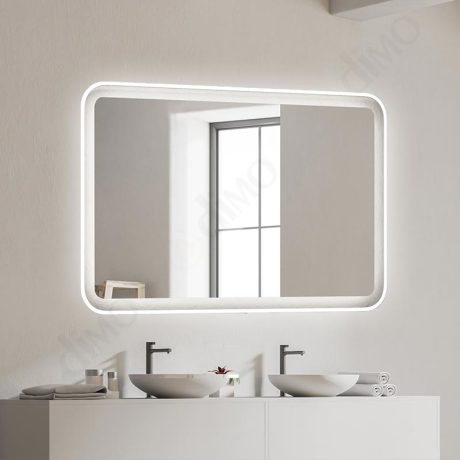
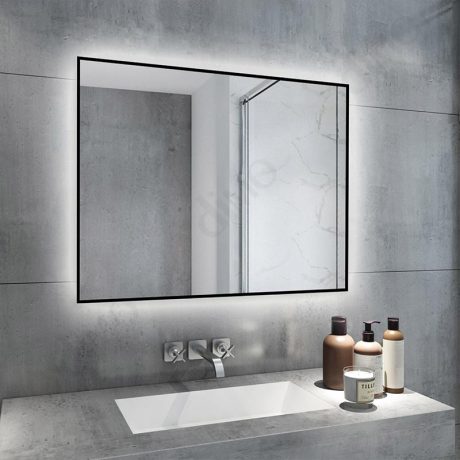
In high-end hotels, restaurants, and luxury retail lounges, the bathroom mirror is an extension of the brand. This is where commerciale specchi per il bagno with integrated LED lighting shine. Backlit LED frames create an inviting, shadow-free glow that guests love—especially in the age of social media check-ins and restroom selfies. Just make sure the electronic drivers are commercial-grade and UL-listed for damp environments.

 
commercial-bathroom-mirrors-ada-mirror-for-hotel-restroom

Questions You Must Ask Your Supplier

Before you sign off on a bulk purchase order for your next commercial project, pick up the phone and ask your supplier these four questions:
  1. Do your mirrors comply with ASTM C1503 and ASTM C1036? These are the baseline quality standards for flat glass and mirror products. If they cannot provide these certifications, walk away.
  2. What does your warranty cover regarding silver spoilage? A good commercial manufacturer should offer at least a 10-to-15-year warranty against silver peeling and edge discoloration under normal restroom conditions.
  3. Are custom architectural sizes built to order, and what is the true lead time? If you have custom tile work or precise spatial cutouts, off-the-shelf sizes won’t cut it. You need to know if custom cutting will delay your occupancy permit timeline.
  4. How do the mirrors mount to the wall? Look for heavy-duty galvanized steel wall hangers or theft-resistant concealed locking brackets. Avoid suppliers who only provide flimsy plastic clips.

People Also Ask: Commercial Mirror FAQs

What is the difference between a residential mirror and a commercial mirror?
Commercial mirrors use thicker glass (typically 1/4-inch), premium copper-free silvering layers, and heavy-duty protective backing paint to withstand high humidity. They are also encased in rugged stainless steel or aluminum frames with concealed, tamper-proof mounting systems to prevent theft and vandalism.
How high should a commercial bathroom mirror be mounted?
For standard non-ADA installations, the center of the mirror is usually placed about 60 to 65 inches above the floor, or roughly 5 to 10 inches above the sink backsplash. However, if you must meet ADA guidelines, the bottom edge of the reflecting surface cannot be higher than 40 inches above the floor when placed over a sink.
Can you fix a commercial mirror that has rusted edges?
Unfortunately, once moisture has penetrated the backing paint and oxidized the silver layer (causing black spots or clouding), it cannot be repaired on-site. The mirror glass must be replaced. To prevent this, always ensure your restrooms have proper ventilation and buy mirrors designed with moisture-resistant backing.

Industry Standards & References

  • 2010 ADA Standards for Accessible Design (Section 603.3 – Mirrors): Outlines the strict mounting height restrictions for accessible public restrooms. View ADA Standards
  • ASTM C1503 – Standard Specification for Silvered Flat Glass Mirror: Defines the quality tiers, thickness requirements, and silvering criteria for commercial-grade mirrors. View ASTM C1503
  • ASTM C1036 – Standard Specification for Flat Glass: The baseline material standard governing the flat glass sheets used to manufacture architectural mirrors. View ASTM C1036

Choosing the right hardware for a public space is all about playing the long game. If you want to talk through the dimensions of your upcoming project, drop us a line. We can help you review your floor plans, check your local building codes, and make sure you get a mirror spec that lasts for decades.
SULL'AUTORE
Frank Chan è Senior Product Consultant e Sales Manager di Dimo, con oltre 10 anni di esperienza nell'illuminazione a LED di fascia alta. Ha supervisionato la conformità e l'installazione di oltre 200 progetti in tutto il Nord America. Frank si dedica ad aiutare gli acquirenti B2B a districarsi tra i complessi codici elettrici per garantire il successo a lungo termine dei progetti.

Lascia un commento

Il tuo indirizzo email non sarà pubblicato. I campi obbligatori sono contrassegnati *