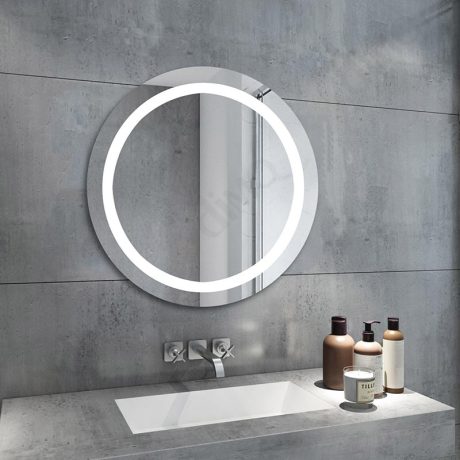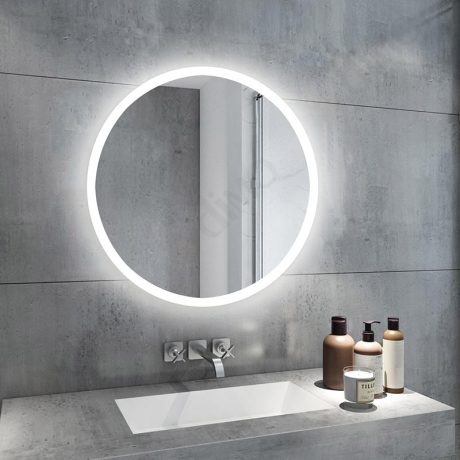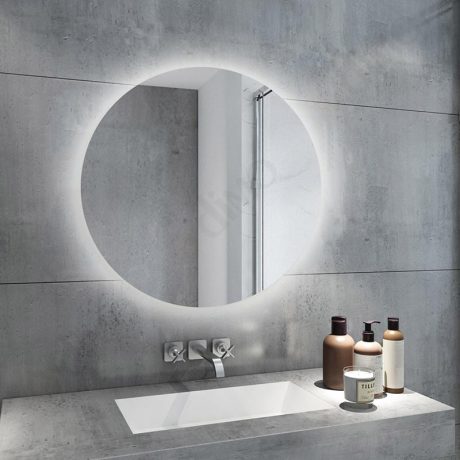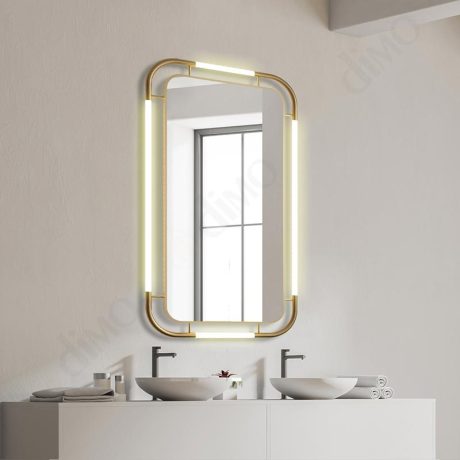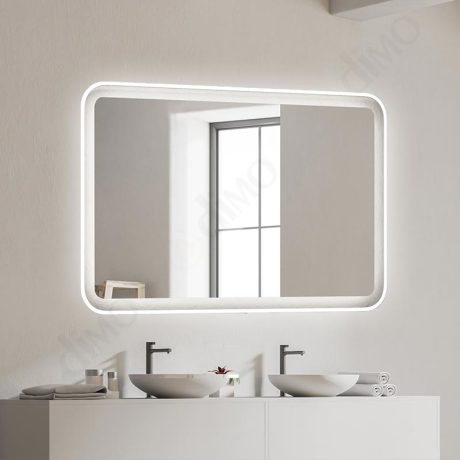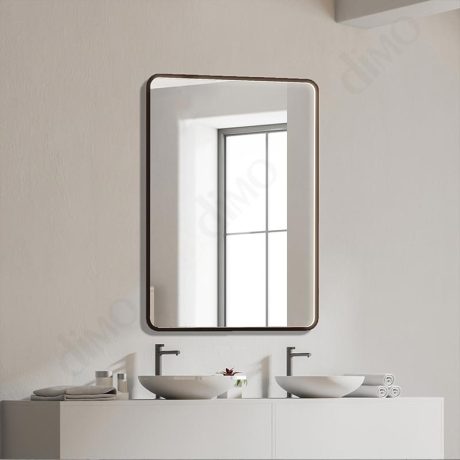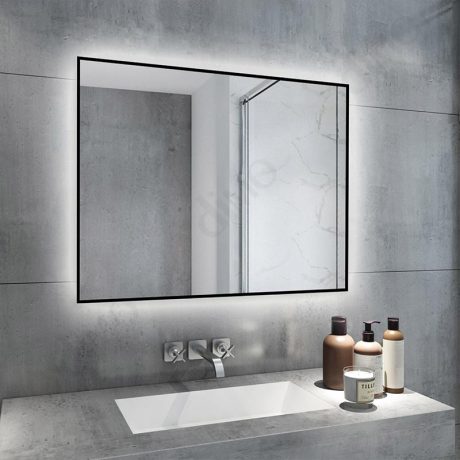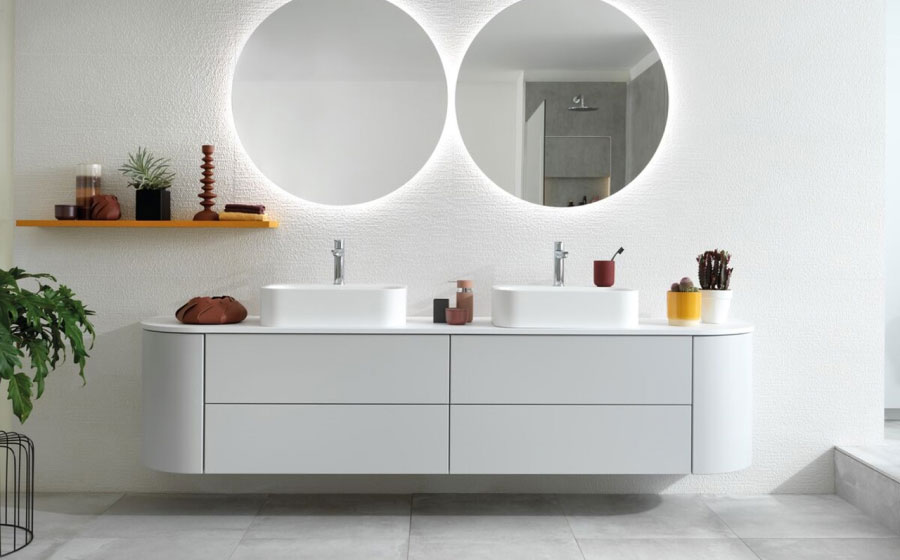
Si vous avez déjà géré la rénovation d'un hôtel à grande échelle ou un projet résidentiel haut de gamme, vous savez que le “meilleur” n'est pas toujours la plus grande marque ou le prix le plus bas sur une feuille de calcul. Lorsque vous recherchez le meilleur miroir rétro-éclairé fabricants, En fait, vous recherchez un partenaire qui ne vous laissera pas tomber lorsque l'inspecteur du bâtiment vous demandera la documentation UL ou lorsque 200 miroirs arriveront sur un chantier avec des coins brisés.
Nous sommes dans les tranchées de la fabrication depuis longtemps. Nous avons vu des développeurs perdre des milliers de dollars parce que le système de montage d'un miroir était si complexe qu'il doublait le temps de travail de l'électricien. Nous pensons qu'un miroir doit être un atout “à poser et à oublier”, et non une source de maux de tête liés à la maintenance à long terme.
Table des matières
Pourquoi “bon marché” est souvent le choix le plus coûteux
La liste restreinte de 2026 : Les 8 premiers fabricants de miroirs rétroéclairés passés en revue
1. DIMO - Meilleur pour l'ingénierie et le retour sur investissement des projets
- Avantage principal : Certification UL/ETL intégrée pour l'unité complète et un taux de rupture inférieur à 0,5%.
Un catalogue complet de produits comprend


2. Miroir électrique - Meilleur pour la reconnaissance mondiale de la marque
3. Robern - Meilleur pour le résidentiel haut de gamme et le stylisme
4. Kohler - Meilleur pour la distribution et la disponibilité
5. Seura - Le meilleur pour la technologie intelligente et l'utilisation en extérieur
6. IBMirror - Meilleur pour les projets à budget moyen
7. Miroir majestueux - Meilleur pour l'esthétique décorative
8. Dowellin - Meilleur pour la production flexible à haut volume
La fracture technique : Un regard comparatif
| Critères de sélection | Niveau supérieur | Fabricants du marché intermédiaire | Pourquoi c'est important |
|---|---|---|---|
| Type de verre | 5mm Sans cuivre + Scellement époxy | Miroir argenté standard | Prévient l'oxydation des bords (points noirs). |
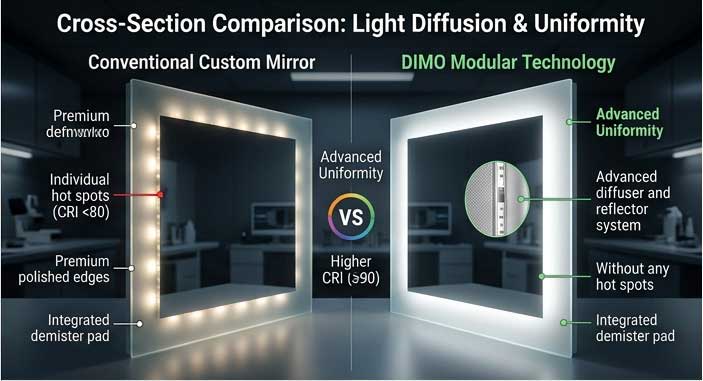
| Qualité de la lumière | CRI 90+ / R9 > 50 | IRC 70-80 | Les tons de peau sont naturels et non pas “maladifs”.” |
| Type de conducteur | Sans scintillement (homologué UL) | Générique (non certifié) | Prévient la fatigue oculaire et l'effet “camera banding”.” |
| Installation | < 15 minutes (Quick-Clip) | 45+ minutes (J-Box standard) | Permet d'économiser des milliers d'euros sur les coûts de main-d'œuvre sur site. |
| Smart Tech | Prêt pour Matter/Zigbee | Non intégré | Assure la pérennité du système IoT du bâtiment. |

Une expérience concrète : Résoudre le problème du “London Lean”
Comment lire la fiche technique d'un fabricant sans se faire avoir ?
- Certification des composants uniquement : La mention “LED homologuées UL” ne signifie pas que le miroir est sûr. Les l'ensemble de l'assemblage doit être testé. Si un désembuage surchauffe et fissure la vitre, une bande LED homologuée UL ne vous sera d'aucune utilité pour la déclaration de sinistre.
- Des cotes de PI vagues : Pour une utilisation dans la salle de bain, il faut au moins IP44 ou IP65.. S'ils ne le précisent pas, l'humidité finira par griller les composants électroniques.
- Rendement en lumens par rapport à la lumière délivrée : De nombreux fournisseurs se vantent d'offrir des lumens élevés, mais si le givrage du verre n'est pas de haute qualité, la lumière reste piégée derrière le miroir. Nous utilisons des glaçages à haute transmission pour que la lumière atteigne réellement le visage de l'utilisateur.
L'avenir est intelligent (et durable)
Les gens demandent aussi (FAQ)
En général, il faut compter entre 4 et 6 semaines pour la production, plus les frais d'expédition. Cependant, chez DIMO, nous recommandons de commencer la phase d'approfondissement de la CAO 8 à 10 semaines avant d'en avoir besoin sur site pour s'assurer que tous les détails de câblage et de montage personnalisés sont parfaits.
La seule véritable solution consiste à utiliser verre sans cuivre combinée à un scellant époxy pour les bords. Cela empêche la couche d'argent de s'oxyder au contact des produits chimiques de nettoyage et de la vapeur.
Oui. Un faible IRC donne un aspect “verdâtre” aux tons de la peau. Dans un environnement hôtelier, où les clients sont souvent fatigués par le voyage, un éclairage à IRC élevé les fait paraître et se sentir mieux, ce qui a un impact direct sur le taux de satisfaction des clients.
Le UL 962 est la plus importante. Elle couvre la sécurité électrique et structurelle de l'ensemble du mobilier éclairé.
Références et normes industrielles
-
- Norme UL 962: Norme de sécurité pour l'ameublement domestique et commercial. Voir la norme officielle.
- IEC 60529 (indices IP): Degrés de protection des enveloppes de matériel électrique. Accès à la norme IEC 60529.
- Département de l'énergie (SSL): Guide sur le rendu des couleurs et la qualité des LED. Energy.gov LED Basics (en anglais).
- National Glass Association (NGA) : Normes de durabilité des poignées de miroir et de l'argenture. Ressources Glass.org.
- Energy.gov - Les bases de SSL: Ressources officielles du ministère américain de l'énergie sur les performances, la qualité des couleurs et l'efficacité énergétique de l'éclairage à semi-conducteurs (LED).