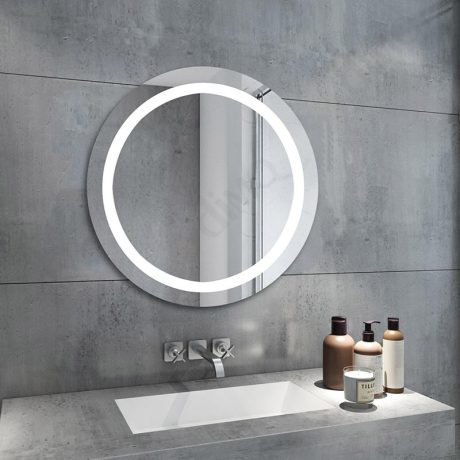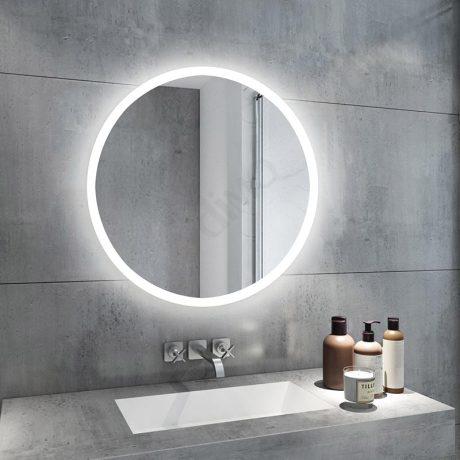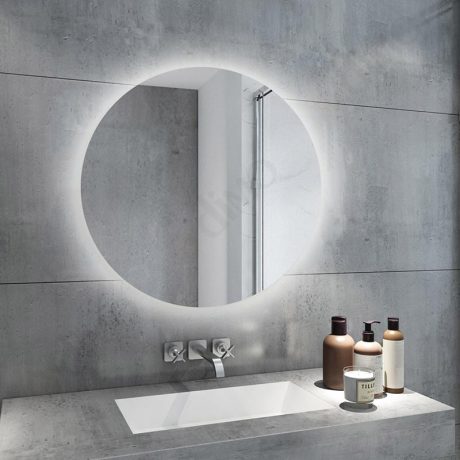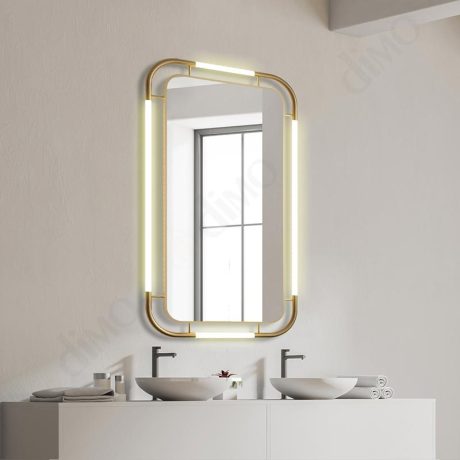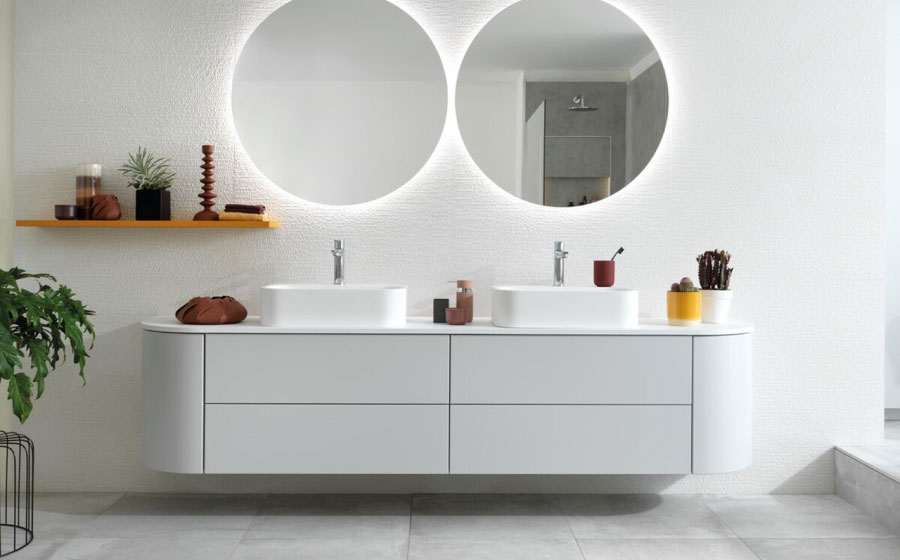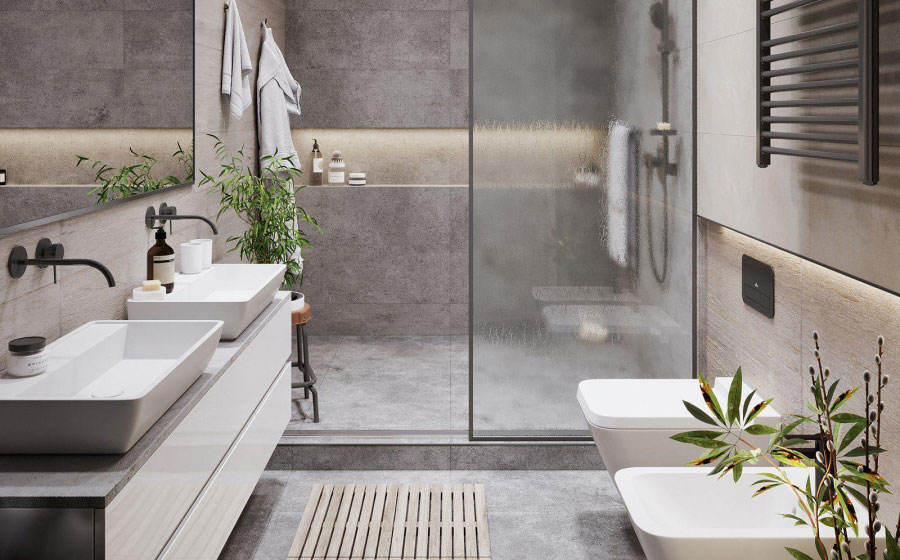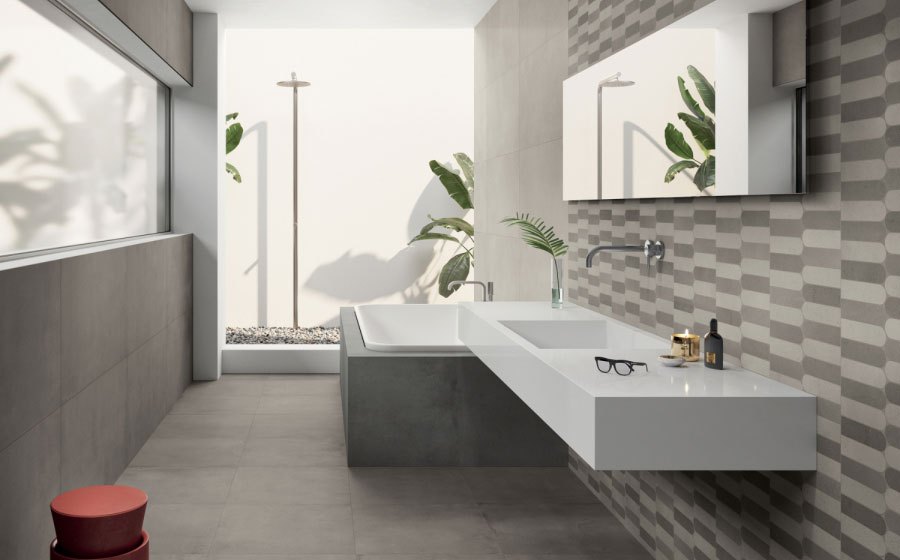
We’ve shipped LED mirrors into the Russian market for years now. Hotel groups, apartment developers, distributors — the requests keep coming. Most buyers start with the same search: LED Mirror Russia. They want something that looks good, lasts in a humid bathroom, and doesn’t turn into a customs or after-sales nightmare.
What we’ve learned is that the difference between a smooth project and a painful one rarely comes down to the pretty product photos. It comes down to material choices, edge sealing, certification readiness, and whether the factory actually understands Russian bathroom conditions.
Índice
The Real Challenges Buyers Face
Russian bathrooms are tough on mirrors. High humidity after showers, big temperature swings in winter, and the need for consistent quality across dozens or hundreds of rooms. Local producers can deliver fast on simple orders, but scaling custom LED bathroom mirror Russia work with tight specs often hits capacity limits. Pure low-cost imports look attractive on paper until the first batch arrives with fogging issues or the certification paperwork isn’t ready.
We see the same pain points repeatedly:
- Anti-fog that fails after a few months
- Inconsistent colour temperature or dark corners in the LED lighting
- Delays at customs because the electrical safety documents weren’t prepared properly
- Higher total cost once you factor in breakage, replacements, and lost time
IP44 is the practical minimum for bathroom use (IEC 60529). Anything less and you’re asking for trouble. For the electrical side, TR TS 004/2011 and TR TS 020/2011 are the ones that matter for EAC marking in the Eurasian Economic Union. Skip those and you risk the goods sitting at the border.
How One Russian Hotel Project Actually Worked
A mid-to-upscale hotel group in Russia approached us last year. They were renovating a property and needed 3000 LED bathroom mirrors that would hold up for years, stay clear after hot showers, and look uniform across every guest room. Budget was important, but not at the expense of long-term reliability. They had already looked at a few local suppliers and a couple of cheaper Chinese options. Neither felt right.
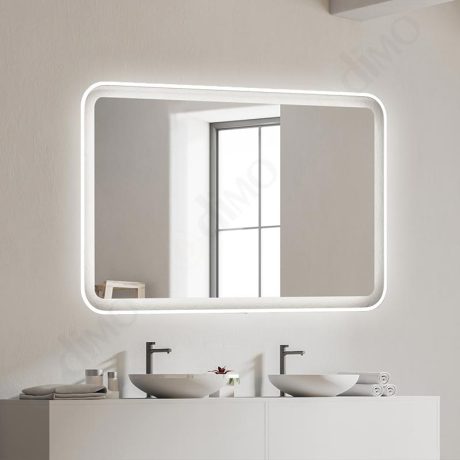
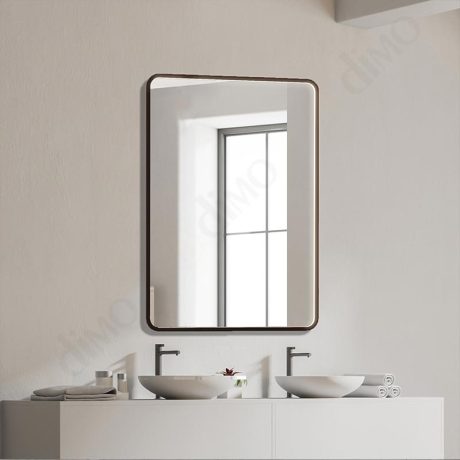
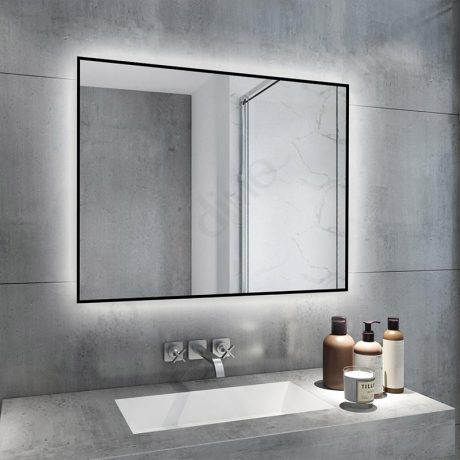
We started with a clear brief: maximise service life while keeping the landed cost sensible. The order mixed standard rectangular sizes — 60×80 cm, 60×100 cm, 120×80 cm — plus some special shapes for public areas and suites. Stainless steel and extra smart options were both required.

Material choice came first. We went with 5 mm HD copper-free silver mirrors. Ordinary copper-backed mirrors start corroding at the edges once moisture gets in. Copper-free removes that weak point. The glass stays flatter and the reflection stays clearer. For the lighting we specified CRI 90+ LED strips. Guests notice when skin tones look natural. Lower CRI makes people look washed out — not what you want in a hotel bathroom.

Edge sealing was non-negotiable. We used our polymer resin system that wraps the entire perimeter. In high-humidity bathrooms this is the single biggest factor that stops the silver layer from oxidizing. Most complaints we hear about imported mirrors come back to this one detail.
Production took the usual 40-50 days for a project of this size and quantity. Every unit went through the same checks: glass flatness, LED uniformity, anti-fog heating performance, and full electrical safety testing. We prepared the technical file needed for EAC declaration so the client’s logistics team could clear the goods without last-minute surprises.

Packaging got extra attention. As the mirrors have more than 6 sizes, we finnally decide to use loose package to save container space and shipping cost, and reinforced corner protection and thicker foam than the standard export packing. Breakage on that shipment stayed under 1 %.
Once the mirrors were installed, the hotel team reported the anti-fog working consistently and the lighting looking even from room to room. Six months later they ordered a second batch for another property. That, more than any testimonial, tells you the project landed the way it should.
What Makes a Reliable LED Mirror Manufacturer for Russia
Not every factory that claims “hotel experience” is ready for the Russian market. Here’s a practical comparison we use when talking to buyers:
| Factor | Typical Low-Cost Import | Local Russian Producer | Project-Ready Manufacturer (like the one we used) |
|---|---|---|---|
| Copper-free vidrio | Rarely | Sometimes | Standard |
| Edge sealing calidad | Básico tape o none | Varies | Full polymer resin system |
| CRI of LED lighting | 80 o lower | 80–90 | 90+ |
| IP rating | Often IP20 o vague | IP44 common | IP44 tested |
| EAC documentation support | Minimal | Strong | Full technical file prepared |
| Production lead time (volume) | 20–40 days | 10–25 days | 25–35 days with schedule guarantee |
| Garantía on commercial use | 1 year | 1–2 years | 3–5 years |
| Consistency across large batches | Hit o miss | Bien on small runs | Controlled y documented |
The middle column looks attractive for speed. The left column looks attractive for price. The right column is what actually reduces total project risk.
We always recommend asking for the full unit certification rather than just a driver certificate. In commercial projects that distinction matters. Building inspectors and insurance companies care about the complete assembly.

Practical Specs That Work in Russian Conditions
For most hotel and residential projects we recommend:
- 5 mm copper-free silver glass
- Front-lit or dual lighting with CRI 90+
- Anti-fog heating that covers the full viewing area
- Touch or wave sensor that still works with wet hands
- IP44 minimum
- Dimmable and colour-temperature adjustable if the design allows
These aren’t luxury extras. They’re the features that stop the common failures we see on cheaper LED bathroom mirror Russia shipments.
Total Cost Reality Check
The factory price is only one line. Add ocean or rail freight, customs duties, possible storage, installation labour, and the cost of replacing units that fail early. A mirror that costs 15 % more upfront but lasts twice as long and needs almost no after-sales often ends up cheaper. We’ve run the numbers with several clients. The projects that focused only on the lowest unit price usually paid more by year two.
What Buyers Should Ask Before Ordering
Ask about the edge sealing method. Ask for the actual CRI measurement, not just a brochure claim. Ask how they handle the EAC documentation. Ask for photos of previous Russian or CIS shipments and the packing method used. If the answers stay vague, keep looking.
We’ve seen too many projects delayed because someone assumed “CE is enough for Russia.” It isn’t. TR TS 004/2011 and 020/2011 are the relevant requirements for lighted mirrors.
If you’re evaluating an LED mirror manufacturer Russia option — whether local assembly or direct import — the same questions apply. Capacity, consistency, and documentation readiness separate the reliable partners from the rest.
Final Thoughts from the Factory Floor
Russian projects reward the manufacturers who treat humidity, certification, and logistics as core design constraints rather than afterthoughts. The hotels and developers that take the time to specify copper-free glass, proper sealing, and full electrical documentation end up with mirrors that still look good years later. The ones that chase the lowest number often end up replacing units and dealing with guest complaints.
We’ve done enough of these shipments to know the difference shows up in the first winter, not in the product brochure.
People Also Ask
Do LED bathroom mirrors need special certification for Russia?
Yes. Lighted mirrors fall under TR TS 004/2011 (low-voltage equipment) and TR TS 020/2011 (electromagnetic compatibility). EAC marking is required for legal circulation in the Eurasian Economic Union.
What IP rating is needed for a bathroom LED mirror in Russia?
IP44 is the practical minimum. It protects against splashing water from any direction. Higher ratings are better in very wet zones.
Why do some imported LED mirrors fog or corrode quickly?
Most failures come from copper-backed glass combined with poor edge sealing. Moisture reaches the silver layer and starts electrochemical corrosion. Copper-free glass plus proper polymer sealing prevents most of these problems.
How long should a commercial LED bathroom mirror last?
A well-made unit with quality LEDs and proper sealing should deliver 50,000 hours of lighting life and several years of reliable anti-fog performance under normal hotel use. Warranties of 3–5 years are realistic from serious manufacturers.
Is it better to buy local or import LED mirrors for a Russian hotel project?
Local suppliers win on speed for standard sizes. Import from a capable manufacturer often wins on custom options, consistent quality across large volumes, and advanced features. Many successful projects use a mix of both.
Referencias
- IEC 60529 – Degrees of protection provided by enclosures (IP Code). Available via the International Electrotechnical Commission: https://webstore.iec.ch/publication/2452
- TR TS 004/2011 – On safety of low-voltage equipment (Eurasian Economic Union technical regulation)
- TR TS 020/2011 – Electromagnetic compatibility of technical means (Eurasian Economic Union technical regulation)
- Official EAEU technical regulations portal: https://www.eurasiancommission.org
These are the standards we actually reference when preparing documentation for Russian shipments.